The mounting toll of Australia's H5 bird flu outbreak
* 298 events, which can involve one or more cases, in wild birds across the nation as of 4pm AEST on August 22
* 10 in Western Australia, 183 in South Australia, 11 in NSW, one in Queensland, 86 in Victoria and seven in Tasmania
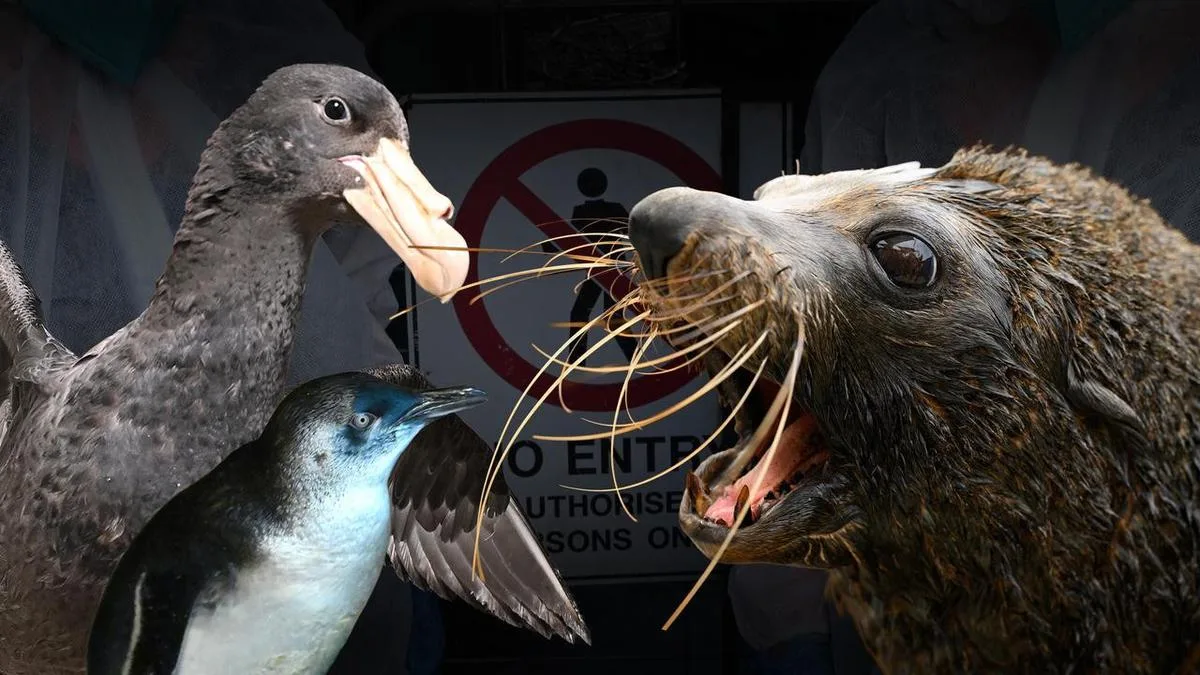
* Most events (225) involve greater crested terns, followed by silver gulls (35), giant petrels (eight) and southern giant petrels (eight)
* A little penguin from Victoria's Phillip Island colony was confirmed to have died from the strain earlier in August
* Five suspected events were recorded in South Australia on Monday, including a long-nosed fur seal at The Pages Conservation Park
* It follows confirmation of the first positive case of the virus in a mammal, a long-nosed fur seal at Beachport, 300km south of Adelaide
* It is a highly contagious and deadly virus spread among birds and animals
* It first appeared in a goose in southern China in 1996 and has since killed more than 300 million birds worldwide
* It is different from the H7 strains that were detected on Australian poultry farms in 2020, 2024 and 2025
* Australia became the last continent in the world to have H5 on its shores when it arrived in June
* Infected birds can transmit the virus through body fluids, droppings and feathers
* It can also spread through contaminated poultry products, feed, equipment or other items
* There is no effective treatment and the prognosis for animals with the disease is poor
* Bird flu vaccinations have been rolled out to at-risk species, including the little penguins on Phillip Island
5News aggregated this summary from the outlet’s public feed. The full article, with all the context, is on www.perthnow.com.au — the content belongs to PerthNow.