How well-off households pocketed $3.6 billion in cost-of-living relief
Cashed-up seniors with multimillion-dollar homes are in some cases eligible for double the concessions and financial support of a single mother who rents, a leading think tank has found, prompting calls for an overhaul of how governments spend $12 billion in cost-of-living measures.
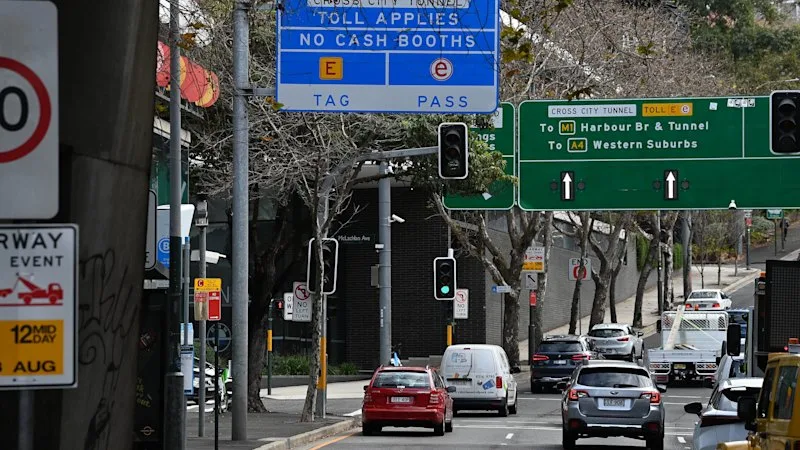
The Policy Institute Australia report, published on Tuesday, said wealthy households gain significant benefit from a jumble of payments ranging from energy rebates to the NSW government’s toll relief measures. It proposed these be replaced with a single lump-sum to help lower-income households fund expenses such as council rates and public transport.
The top 40 per cent of Australians by income or wealth received $3.6 billion in cost of living support and other concessions from Commonwealth, state and territory governments this year, according to the report titled Hit or Miss: Who benefits from state concessions and cost-of-living support?
The institute’s principal economist Nicholas Tarrant said the costly patchwork of existing policies, which had built up over decades, was no longer providing support to people who needed it most.
“It’s a judgment of, what is the point of cost-of-living relief? Is the point to support those really struggling or is the point to give money to everyone?” he said.
“Support is too often based on how much petrol or energy you use, or how much your home is worth, but this favours the well-off. If state governments want to help with cost-of-living pressures, they need to rethink the way they do it.”
One of the problems, the institute argued, was that NSW and other jurisdictions tied eligibility for some supports to the Commonwealth seniors health card, which is available to those who have reached age pension age, but do not qualify for Centrelink support. That means, for example, a wealthy retired couple with a home worth $5 million, as well as up to $5 million in assets, was still eligible for a $200 energy rebate each year.
The report also used an example of a retiree who held a pensioner concession card and had a $3 million home they owned outright, $500,000 in superannuation, and a car, receiving $2800 in benefits a year. That was compared to a single mother who rented and caught the bus, who might get $1500 a year.
Another factor was that concessions – ongoing discounts for common household expenses such as energy bills, rates and public transport – are often linked to consumption (such as how much energy a household uses) or asset ownership in NSW. This means financial support flows to well-off households who consume more, or those who own homes and cars.
5News aggregated this summary from the outlet’s public feed. The full article, with all the context, is on www.watoday.com.au — the content belongs to WAtoday.