School rarely goes to plan. Here are 9 ways students can deal with setbacks and change
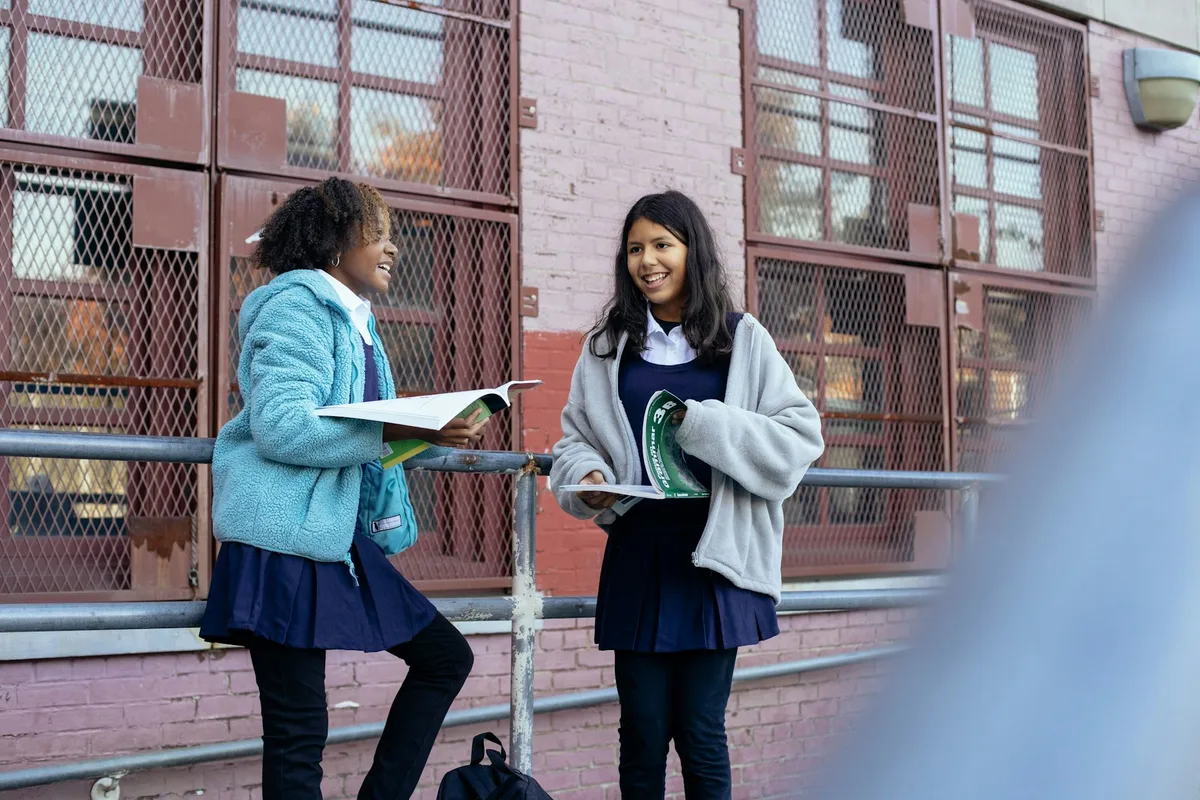
Mary Taylor/ Pexels School life isn’t always easy.
A student may receive a disappointing mark, struggle with a tough assignment, face numerous deadlines, or be anxious about an exam.
At other times, a student may start at a new school, begin a new subject, work with unfamiliar classmates, encounter a new teacher, or be asked to learn in a different way.
These two sets of experiences look similar, but are not the same .
The first involves adversity and setback.
The second involves disruption and change.
Students need to be able to deal with both to flourish at school .
In educational psychology, we use the term “ academic buoyancy ” to describe students’ capacity to deal with academic adversity and setbacks.
It helps a student bounce back from a poor mark, keep going when schoolwork is difficult, manage competing deadlines, and respond constructively to critical feedback.
Adaptability is different.
It refers to students’ capacity to adjust when they face disruption and change.
It helps a student modify the way they think, behave and respond emotionally when circumstances shift.
How do these two capacities relate? And how can we encourage students to develop both? Our research In a new study , my colleagues and I set out to understand: does being able to deal with adversity also help students become better at dealing with disruption and change? does being able to adjust to disruption help students become better at dealing with adversity? We looked at longitudinal analyses involving 5,931 students in Australia and the United Kingdom.
The students were in junior to senior high school.
5News aggregated this summary from the outlet’s public feed. The full article, with all the context, is on theconversation.com — the content belongs to The Conversation Australia.