One Nation’s reform is economic vandalism disguised as compassion
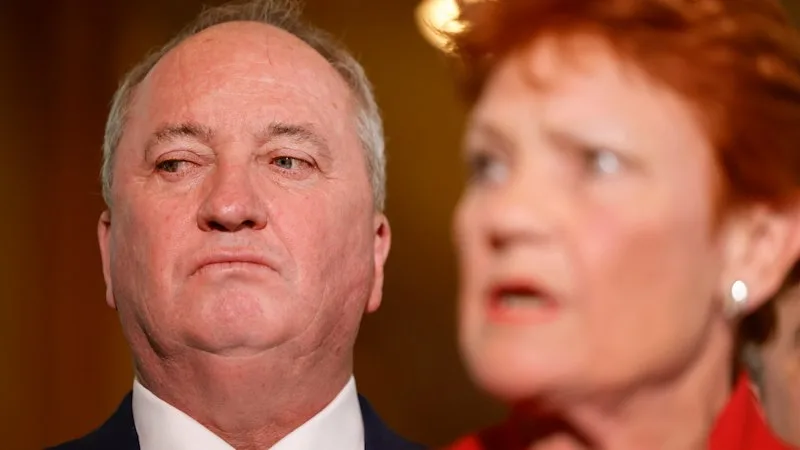
One Nation’s Barnaby Joyce and Pauline Hanson have apparently discovered a brilliant economic principle: if Australians cannot afford to live today, let them spend the money they will need tomorrow (“ Chalmers warns of Hanson threat to super after One Nation leader calls system ‘broken’” , 17 August). Joyce wants broader access to super for housing and hardship; Hanson says the system is “broken”. What’s broken is their logic. If people cannot afford food, rent or a home, tackle those problems – don’t hand them a crowbar and point them towards their retirement savings. COVID should have taught us the danger of treating super as readily available cash: more than $36 billion was withdrawn, much of it by people who could least afford to sacrifice future returns. Existing early-access provisions cover cases of genuine hardship. Every dollar raided today means less at retirement and years of lost returns. It simply shifts today’s problem into the future and makes it bigger. Nor does it fix housing affordability. It doesn’t build a single home; it just pours more money into the market, pushing prices higher. One Nation’s apparent unfamiliarity with what drives inflation is becoming something of a theme. It is painfully clear that Hanson and her clueless treasury spokesperson understand remarkably little about superannuation. Tackling hardship at 40 by helping create poverty at 70 isn’t reform – it’s economic vandalism dressed up as compassion. Denise McHugh, Tamworth
What the likes of Liberal senator Andrew Bragg, and now Pauline Hanson, don’t get is that while superannuation may be “our money”, it has strings attached. It is intended for retirement and is not freely available. If it was, you might as well not have superannuation at all. Similarly, a term deposit might be your money, but you don’t expect free access it without incurring a penalty. As for people taking lump sums from super and then falling back on the age pension, blame former Liberal treasurer Peter Costello, who made all withdrawals from superannuation after the age of 60 (including lump sums) tax-free. If needs be, make incomes more attractive than lump sums (as is already happening) rather than scrapping the whole system. Talk of higher taxes on superannuation is just scaremongering. If it does happen, it will probably be on those with big accounts, which is reasonable. How much do people need to live on in retirement, and is it reasonable for the rest of the taxpayers to subsidise concessions to the rich? Australia’s compulsory superannuation system is the envy of many other countries. So much for a “public policy failure”. David Rush, Lawson
Of all the subjects that could gain the attention of our political leaders, compulsory superannuation should be at the bottom of the pile. Question time, government and media focus is being wasted on a non-issue. Superannuation provides for people in their retirement and, with reduced levels of tax on their income and investment earnings, it reduces the call on other taxpayers to fund the aged pension. It significantly reduces pensioner poverty and provides a national investment fund for the future.
5News aggregated this summary from the outlet’s public feed. The full article, with all the context, is on www.smh.com.au — the content belongs to Sydney Morning Herald - Home.