Is Greek yoghurt really the miracle protein fix it’s made out to be?
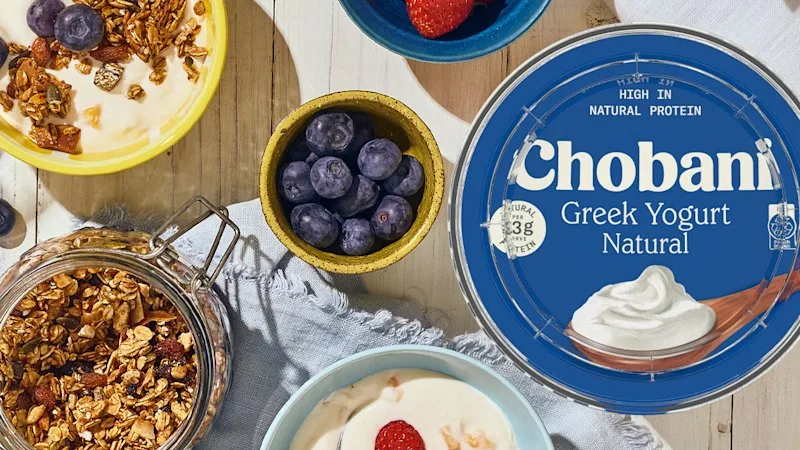
No, you’re not imagining it. There’s been lots of buzz around Greek yoghurt recently, probably spurred by the collision of two TikTok trends.
The first is still trending: “protein-maxxing”, which simply means maximising protein intake, with Greek yoghurt commonly identified, alongside chicken breasts, as top-tier healthy protein sources.
The second? Placing Biscoff biscuits into a small tub of Greek yoghurt, leaving it for a few hours or overnight to create a mini dessert. Ironically, this combo is called a “ Japanese cheesecake ”.
One claim that’s gained traction is that “Greek-style” yoghurt is not as good for you as “Greek”. Another is that other kinds of yoghurt, like natural yoghurt, are inferior. Meanwhile, yoghurts with long ingredient lists are also copping criticism.
So, what’s real and what’s just social media speculation? Let’s break it down.
The best recipes from Australia's leading chefs straight to your inbox.
“To keep it really simple, Greek yoghurt is strained not stirred. That’s the key differentiating factor,” says dietitian Helena McDonald.
The production process gives Greek yoghurt its superpower: high protein.
“The straining process removes the whey and makes it a whole lot thicker. In doing so, it concentrates the protein content of the yoghurt.” Traditional Greek yoghurt is strained three times.
For Greek people, Greek yoghurt is the heart of a good tzatziki . It’s used in marinades, sometimes in filo pastry cheese pies, and is the key to yiaourtopita (yoghurt cake with lemon).
Let’s rule one criterion out: if you’re looking for Greek-produced yoghurt in Australia, you won’t find any due to biosecurity restrictions.
The term “Greek yoghurt” is not actually protected. Brands can call something Greek yoghurt even if it’s not from Greece or contains non-traditional additives. This makes things a little tricky.
If you’re after authenticity, traditional Greek yoghurt is plain, leans on milk, live cultures and sometimes cream – while avoiding thickeners.
“Many yoghurts here do call themselves ‘Greek-style’, even though they might not have other non-traditional additives in them.” Why? Simply, those brands are being cautious.
5News aggregated this summary from the outlet’s public feed. The full article, with all the context, is on www.brisbanetimes.com.au — the content belongs to Brisbane Times.