Think Gen Z is to blame for alcohol’s decline? Think again
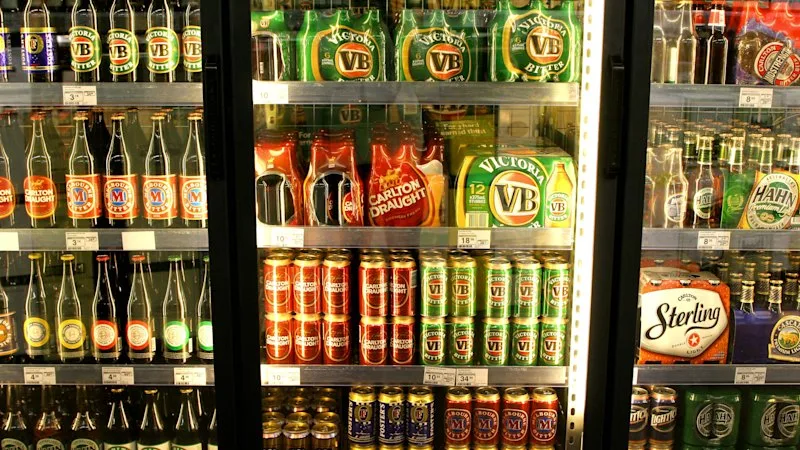
In California, a desperate winemaker sets fire to his vineyards. Over a billion litres of whisky languishes in cases in Scotland, never to be drunk. Closer to home, nearly 50 Australian craft breweries have collapsed over the past three years, while Treasury Wine Estates, the company behind Penfolds, recently recorded a $1 billion loss .
The alcohol industry across the world is facing a moment of decline, driven by changing consumption habits and a generational embrace of wellness culture. Global spirits behemoths like Pernod Ricard and Diageo are grappling with what analysts term a “big tobacco” moment – collapsing valuations reflecting a sense that the current trend towards temperance will never turn around.
Much of the blame for this shift is pointed at Gen Z, typecast as either joyless, socially isolated losers or earnestly health-conscious kids determined to break the hedonistic habits of their forebears, depending on who you ask.
While it’s true that people born between 1997 and 2012 are 20 times less likely not to drink than Baby Boomers during the same life stage, it would be both reductive, and existentially risky, for the industry to pin this shift solely on the Zoomers.
In Australia, alcohol consumption has been steadily declining, across pretty much all cohorts, for the past two decades. The local wine industry has also been battered by the increasing uptake of GLP-1 weight loss drugs like Ozempic among its core demographic of middle-aged drinkers. After years of both sluggish disposable income growth and high inflation, consumers are increasingly turning away from products they view as a luxury. And according to one industry insider, alcohol is simply not a necessity in such an economic environment.
“The sector likes to say that alcohol is part of Australian life, but if people don’t have money to drink, they don’t drink,” he said.
Also complicating the picture is the fact that while overall alcohol consumption is declining, we are also seeing a change in when people drink, and what they drink. While beer has struggled, there has been a surge in consumption of ready-to-drink (RTDs) pre-mixed beverages like seltzers and spiked soft drinks, despite the teal independents’ war on Hard Solo . Australians spent $2.5 billion on RTDs in licensed venues last year, and their popularity among younger consumers seeking a sweeter, sleeker product has become a lifeline for the booze sector.
Some manufacturers are looking toward emerging markets. Those Scottish distillers struggling with their whisky glut are looking hopefully to India, where a younger, growing middle class is shaking aside older generations’ traditional hostility to drinking.
The local industry believes that punters are centring their drinking around specific occasions, rather than daily consumption.
“It used to be normal to sink three to four beers before bed after work. Now people are going a few days without drinking, but when they do go out, they say ‘I’m going to have a real go at it, have a good time,’” the industry insider said.
This is a key point.
5News aggregated this summary from the outlet’s public feed. The full article, with all the context, is on www.watoday.com.au — the content belongs to WAtoday.