Conservation parks don’t have to be vast – as one tiny grasshopper reminds us
Michael Kearney A vast stretch of land where animals roam widely and plants grow freely.
That’s what most people would picture if they thought of a conservation area.
Such places are vital for protecting large animals and entire ecosystems.
They make managing environmental threats , such as fire and weed invasions, much easier.
However, some parts of Australia simply don’t have the space to support a large conservation area.
This is particularly true in agricultural regions .
In the cropping country of northwestern Victoria, for example, remnant reserves may only cover less than 100 hectares.
These smaller reserves are often undervalued and overlooked .
However, our latest research reveals these remnant areas can be critical to the survival of smaller plants and animals.
Meet the matchstick grasshopper Our recent study took a closer look at grasshoppers in western Victoria.
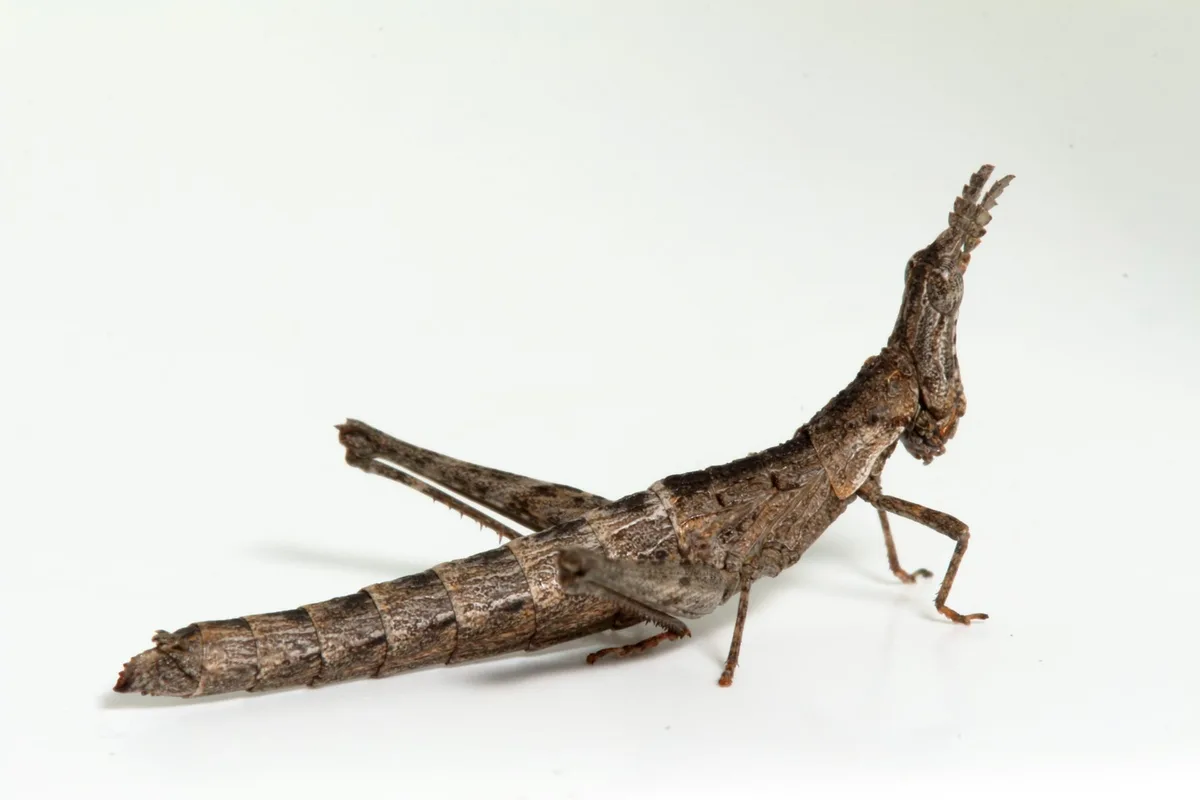
We rediscovered a formerly undescribed species of the Keyacris genus of grasshoppers, which includes the threatened Key’s matchstick .
We named the new species as the Murray Mallee matchstick ( Keyacris bungunnia ) because it lives around the region where an old megalake, Lake Bungunnia , existed during the Pleistocene era.
The Murray Mallee matchstick likely hopped about on its shores.
Matchstick grasshoppers, named for their distinctive stick-like appearance, are unique to Australia .
5News aggregated this summary from the outlet’s public feed. The full article, with all the context, is on theconversation.com — the content belongs to The Conversation Australia.