We finally have some encouraging news on Great Barrier Reef water quality
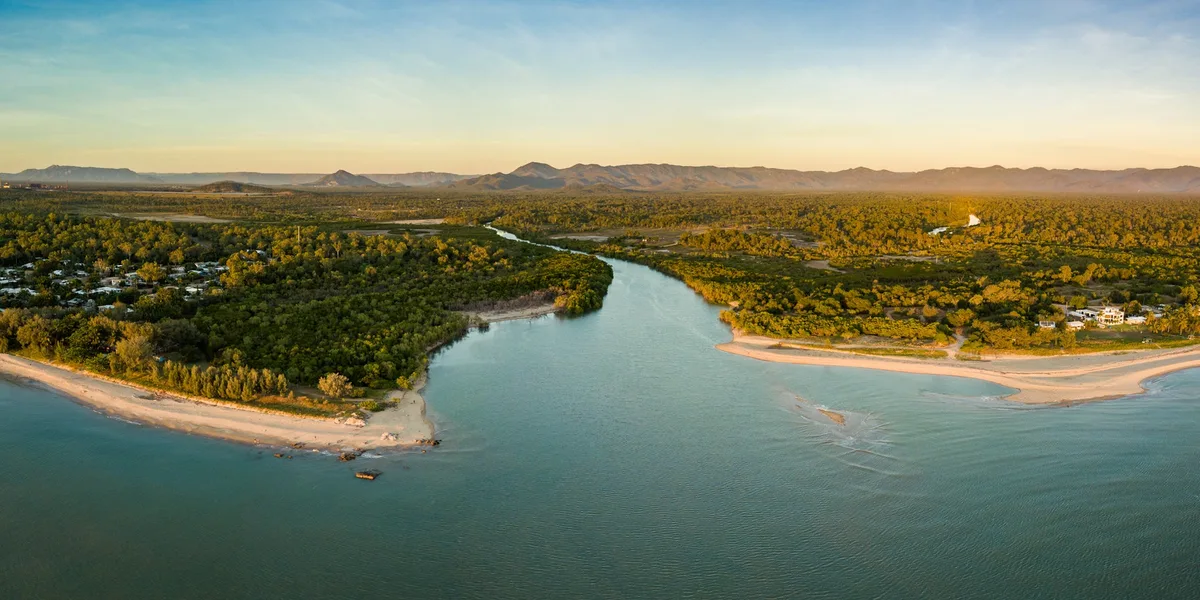
Phil Copp/Getty Imagine a plume of brown sediment is washed off the land into Queensland rivers and carried out to sea.
Here, it can settle on seagrass and inshore corals, potentially smothering them.
River water often also carries nitrogen from fertiliser residue, which can fuel algal growth and damage coral health.
We have long known that poor water quality is a serious threat to areas of the Great Barrier Reef close to shore.
The reef faces other major challenges, such as marine heatwaves driven by climate change that trigger large-scale coral bleaching.
But unlike climate change, water quality is something Australia can directly control.
Since 2014, the federal and Queensland governments have collectively spent more than A$5 billion on catchment programs for reef health .
Many of these aim to improve water quality by reducing fertiliser runoff from farmland and tackling erosion to stop sediment entering waterways.
Our new research shows water quality is improving in many rivers that flow to the reef.
This is good news.
Flood plumes carry sediment and nutrients out to the Great Barrier Reef.
Matt Curnock , CC BY-NC What did we learn? To find out if water quality is changing, our research team analysed up to 37 years of monitoring data from seven major river systems to track changes in fertiliser runoff (dissolved inorganic nitrogen) and suspended sediment.
These are two of the five key pollutants scientists use to track changes in river basins.
Our research is the largest and most comprehensive analysis of catchment water quality for the reef to date.
5News aggregated this summary from the outlet’s public feed. The full article, with all the context, is on theconversation.com — the content belongs to The Conversation Australia.