Australia risks recession as Reserve Bank battles to control high inflation
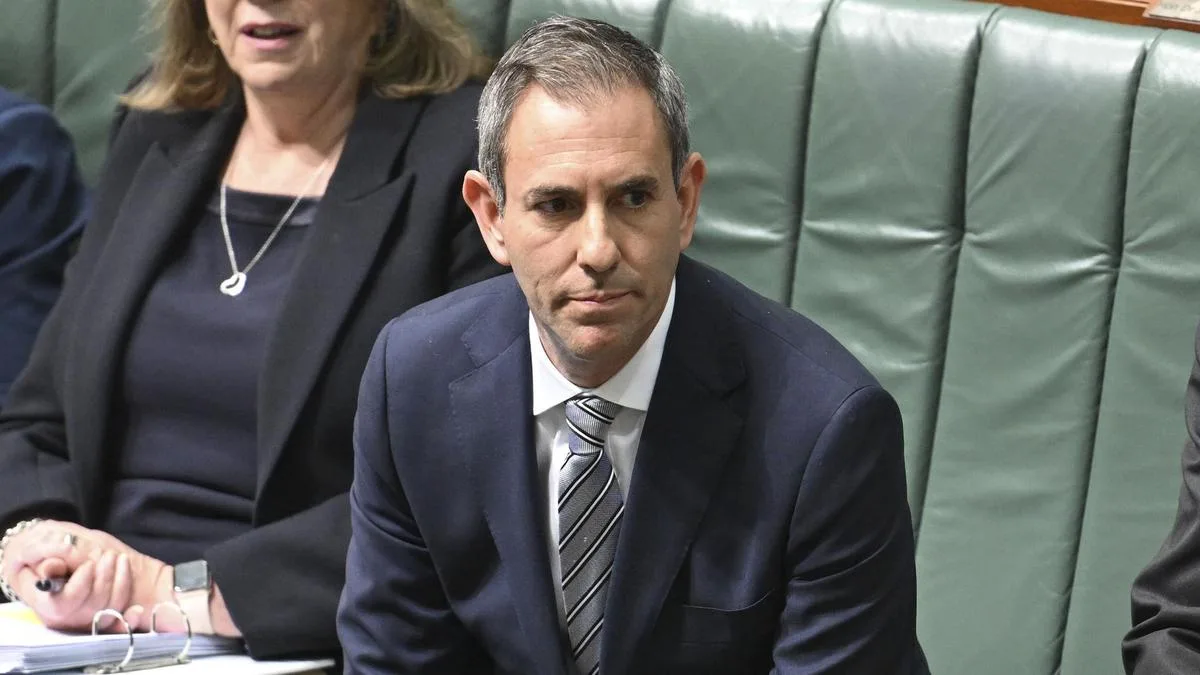
The Reserve Bank of Australia could be left with the brutal choice of driving the economy into a recession or face a prolonged period of stagflation, as the country’s growth rate is set to stall.
Ahead of Wednesday’s all-important national accounts figures, HSBC chief economist Paul Bloxham told NewsWire the RBA may need to make some tough choices.
“It is difficult to see how the RBA can stay near full employment and still get inflation down to where it needs to be,” he said.
“Where we are at the moment is an economy that is slowing down and growth has weakened but inflation is still too high.
“The RBA is going to need the economy to remain weak for a persistent period to get inflation to come down from here.”
He warned the narrow path of bringing down inflation without crashing the economy and causing massive job losses is getting more difficult to achieve.
Wednesday’s national accounts – to be released at 11.30am – will give Australia a snapshot of the strength of the economy, with economists widely predicting a growth rate of around 1.8 per cent for the 12 months to June 30.
This would be below Australia’s long-term average which is closer to 3 per cent.
Mr Bloxham said a stronger than expected growth rate put pressure on inflation, while a slow growth rate meant Australia was getting close to stagflation.
Stagflation is one of the worst positions to be in as it combines rising prices, slowing economic growth and usually rising unemployment.
HSBC forecasts growth to come in slow at around 0.1 per cent for the quarter, which is below most estimates of around 0.2 or 0.3 per cent, pushing Australia closer to a period of stagflation.
If GDP comes in stronger than expected, Australia will hit its “speed limit” which is the fastest pace the economy can grow without lifting inflation, which will mean the Reserve RBA has to lift interest rates.
These rate hikes could push the economy into a slower period – including the possibility of a recession – when higher interest rates are combined with a slowing housing market.
“There are not particularly easy choices at the moment for the RBA and a lot of that comes down to the fact productivity growth has been weak for a sustained period, with the speed limit for the Australian economy being very low compared to the past,” he said.
5News aggregated this summary from the outlet’s public feed. The full article, with all the context, is on www.perthnow.com.au — the content belongs to PerthNow.