Australian suppliers of lithium-ion battery fire extinguishers forced to change over compliance claims
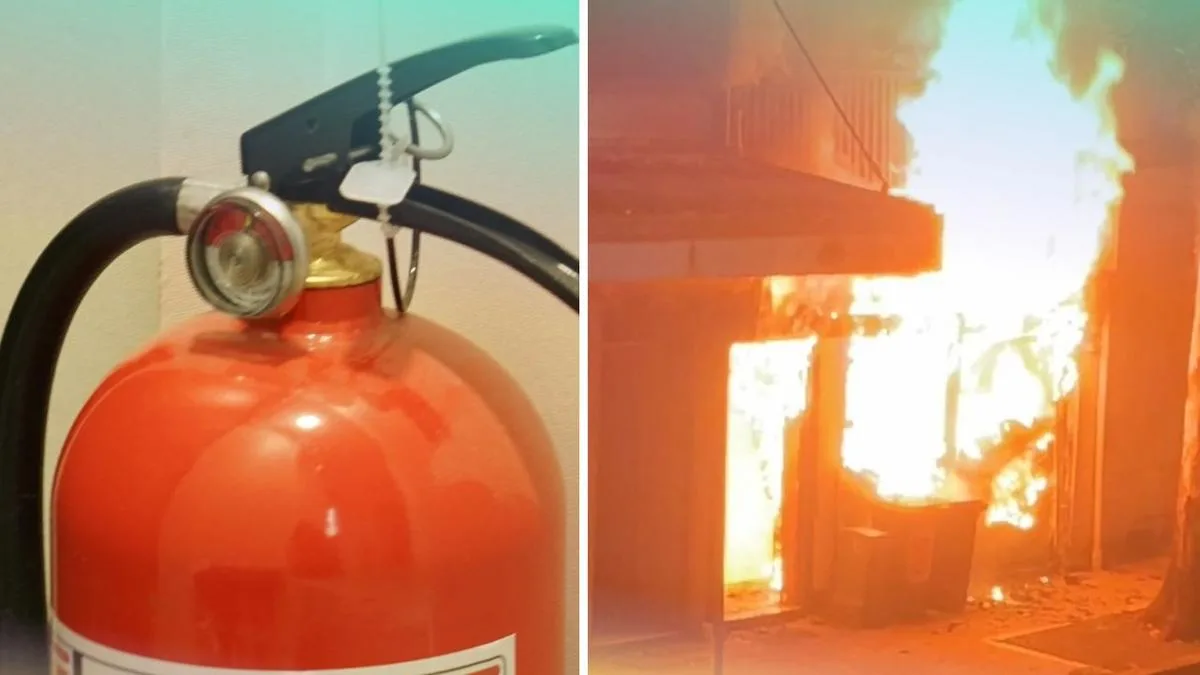
Suppliers of lithium-ion fire extinguishers have been forced to revise “potentially misleading” claims about compliance in Australia.
The Australian Competition and Consumer Commission (ACCC) raised concerns about marketing that suggested the extinguishers comply with local safety standards, despite there being none for this type of emergency equipment.
The consumer watchdog also flagged that these extinguishers do not clearly state they are only suitable for use by trained firefighters — and not members of the general public — “due to the toxic and highly volatile nature of lithium-ion battery fires”.
“The ACCC expects businesses that supply lithium-ion battery fire extinguishers to ensure the products and any marketing materials state prominently that there is no Australian standard for lithium-ion battery fire extinguishers, and that the extinguishers are only suitable for use by trained firefighting professionals,” ACCC deputy chair Catriona Lowe said.
“The ACCC’s view is that lithium-ion battery fire extinguishers should not be marketed as being suitable for use by members of the general public.
“Lithium-ion battery fires can spread rapidly, produce toxic smoke and can be very difficult to extinguish.”
The Country Fire Authority’s Fire Equipment Maintenance service posted in June that it does not promote or endorse fire extinguishers “which purport to be effective on lithium-ion battery fires”.
“Currently there is no Australian standard for testing and approving lithium-ion fire extinguishers. However, there are products entering the market that claim to address lithium-ion battery fires,” the Victorian service said.
“Some of these products may have been awarded an Australian Standard approval for a general firefighting extinguisher, not for lithium-ion fires.”
Earlier this year, researchers forecast the average Australian household could contain about 33 devices powered by lithium-ion batteries.
The batteries are used in e-scooters, e-bikes , power tools, toys, mobile phones and other rechargeable devices, and have become a major cause of fires in recent years.
WA authorities respond to more than three every week, and the batteries were previously described as the state’s “ fastest-growing home fire risk ”.
“While these products are generally safe when maintained correctly, any lithium-ion battery can fail, especially if it is damaged, defective, old or exposed to excessive heat,” said Jon Broomhall, the Department of Fire and Emergency Services’ deputy commissioner of operations.
“Lithium-ion batteries can enter into thermal runaway whether they’re charging or just simply being stored.”
5News aggregated this summary from the outlet’s public feed. The full article, with all the context, is on 7news.com.au — the content belongs to 7NEWS Australia.