Friday 16 October 2026 SourcesAbout🌓
🇦🇺 AU ▾
BREAKING
› 'Pretty unstoppable': Demons secure finals football› James has knee surgery; Martínez sorry; Watford sacking reports ‘fake news’: football – live› Elon Musk reveals ‘world’s first flying car’ at Tesla event› Zelenskyy holds press conference after talks with EU leaders over breakdown in US relationship – Europe live› Telethon: TV, music and entertainment stars touch down in Perth, including Jessica Mauboy, Nat Barr & Shirvo› ‘Like running a marathon’: Four-year-old Olive Hay’s cruel battle with exhausting rare syndrome› Stalemate as Sky Blues, Wanderers kick off ALM season› Australia cruise past Samoa in women’s Rugby League World Cup opener› Elderly man dies and woman seriously injured in crash near Adelaide› Copying One Nation will leave Australians poorer, Morrison minister warns› 'Pretty unstoppable': Demons secure finals football› James has knee surgery; Martínez sorry; Watford sacking reports ‘fake news’: football – live› Elon Musk reveals ‘world’s first flying car’ at Tesla event› Zelenskyy holds press conference after talks with EU leaders over breakdown in US relationship – Europe live› Telethon: TV, music and entertainment stars touch down in Perth, including Jessica Mauboy, Nat Barr & Shirvo› ‘Like running a marathon’: Four-year-old Olive Hay’s cruel battle with exhausting rare syndrome› Stalemate as Sky Blues, Wanderers kick off ALM season› Australia cruise past Samoa in women’s Rugby League World Cup opener› Elderly man dies and woman seriously injured in crash near Adelaide› Copying One Nation will leave Australians poorer, Morrison minister warns
Science

‘Cookies’ made from plastic may be on the menu for future astronauts
The Guardian Australia - Science ·
‘Cookies’ made from plastic may be on the menu for future astronauts

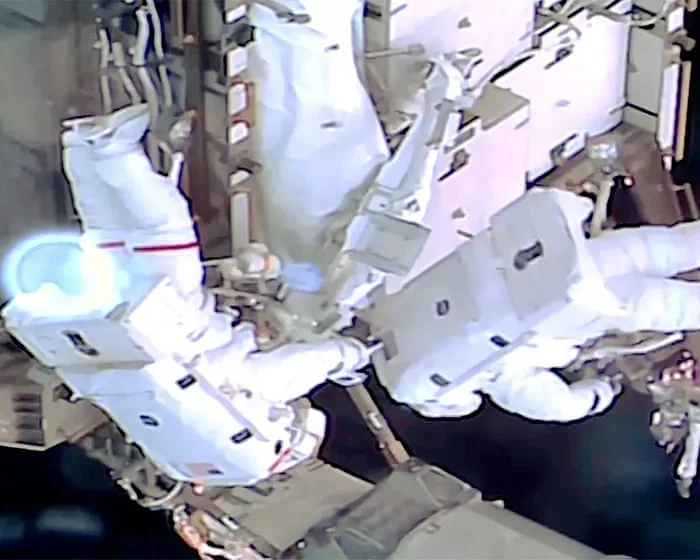
Nasa-funded project uses yeasts to recycle plastics and other waste into food shaped into biscuits by 3D printers Cookies produced from upcycled plastic may sound like something straight out of a dystopian sci-fi plot.

But researchers say that they have succeeded in creating such a product as part of a Nasa-funded project aimed at feeding astronauts on future space missions.

The technology uses specially designed yeasts to transform plastics and agricultural waste into edible proteins, fats and flavourings.

The resulting slurry is pased through a 3D printer to create a disc-shaped “cookie”.

Continue reading...

Read the full article on The Guardian Australia - Science ›

5News aggregated this summary from the outlet’s public feed. The full article, with all the context, is on www.theguardian.com — the content belongs to The Guardian Australia - Science.


More from The Guardian Australia - Science

See all ›

More in Science

See all ›