There’s good news for your super – but a big hole remains for retirees
Finally, the government has made its move on financial advice. And there’s plenty for us everyday people to be happy about.
But there’s also a big hole in the middle that we must discuss because, ultimately, I want Australians to be able to get the help they need to make good retirement decisions.
Yet finding help without strings attached can be really difficult. It might be tied to the institution that already holds your money. Or it might come from an adviser with a centrally determined preferred or approved product list. Or you might find an adviser willing to give you retirement advice, but only if you also sign up for an ongoing investment management relationship.
And I’m quite sure that consumers want something far simpler: affordable, one-off advice or a two-year package deal for the run-up and transition into retirement, when they have a few big decisions to make.
Because for many people, that’s when the big questions come in thick and fast: should I stay with my super fund? Should I move super funds? What type of retirement product is really right for me (versus the one my fund offers)? When should I start drawing an income stream? How does the age pension fit into my plans? And how much can I really afford to spend?
Sometimes you just need someone independent to help you make some of these big decisions well. The big question is whether these reforms will finally make that kind of advice commercially attractive for advisers to offer consumers, and affordable to buy, or whether the advice industry has already moved towards a business model built around ongoing advice and investment management.
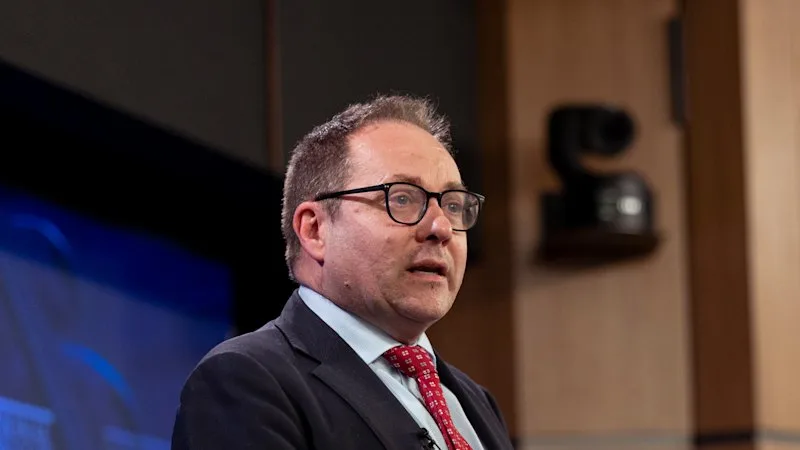
Assistant Treasurer and Financial Services Minister Dr Daniel Mulino presented the government’s next stage of financial advice reforms at the National Press Club on Wednesday, with two big focuses.
The first takes aim at super spruikers, lead generators and dodgy super switching – practices that have formed part of the chain of misconduct exposed by the devastating Shield and First Guardian collapses. And we should applaud these moves.
The government plans to ban unlicensed real-time communications about super. What that means is that an unlicensed super spruiker or lead generation company won’t be allowed to cold-call you, jump on a live online chat or otherwise engage you in real time to convince you to move your super.
These are the high-pressure interactions that happen where someone typically tells you your super is underperforming, you’re missing out or your retirement savings are at risk. Then, not long afterwards, they offer to introduce you to an adviser, or you’re told there’s a better place for your money, which ultimately leads to your super switching into high-risk, often poorly understood investments.
In other words, the government is trying to shut the door on fear-based sales funnelling that can drive people to switch their super into dodgy managed investment schemes.
But he’s also putting much more responsibility on the big institutions that run investment platforms.
5News aggregated this summary from the outlet’s public feed. The full article, with all the context, is on www.brisbanetimes.com.au — the content belongs to Brisbane Times.