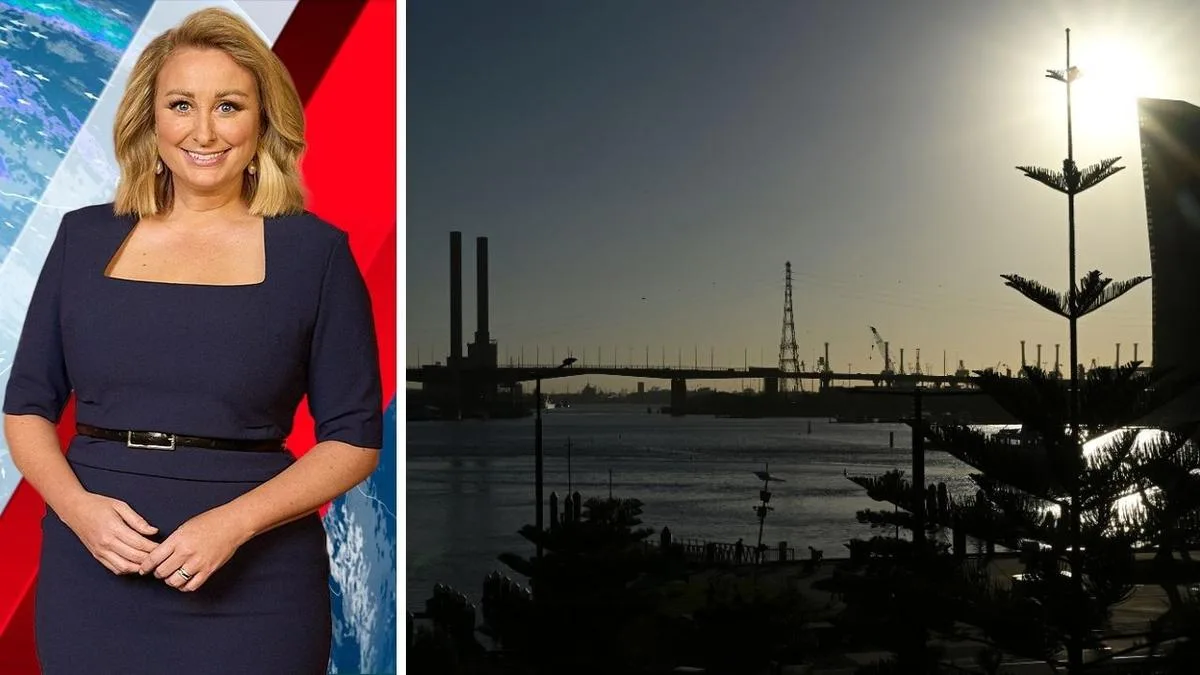
Jane Bunn explains why Victoria has had above average rainfall during El Niño
El Niño weather patterns are known to make it hotter and drier. And the current El Niño has certainly delivered on the heat.
Melbourne has just recorded its warmest winter on record, with significantly above average temperatures both day and night.
Melbourne recorded 66mm of rain in August, against an average of 50mm — comfortably ahead. The state-wide picture is far more uneven, though.
Much of northern Victoria finished above average and parts of the northwest recorded more than double their August mean.
That hasn’t come from frequent rainfall, instead coming from a small number of significant systems that happened to take a path straight through the region.
Meanwhile, parts of the south and the southwest Wimmera had a considerably below average August, simply because they weren’t in the path of those systems.
Same month, same state, same climate drivers — wildly different outcomes depending on where the systems tracked.
Across winter as a whole, much of the state finished above average despite the developing El Niño. The exception was eastern Gippsland, where there were no major low pressure systems off the coast — and that’s where Gippsland sees its most significant rain.
Three rivers remain in minor flood on Tuesday afternoon, a full week after yet another significant rain system tracked across much the same parts of Victoria as the last one.
The Bureau reported moderate to locally heavy rainfall across much of northeastern Victoria and areas near the ranges early last week, driving creek and river level rises in the north of the state.
There’s been no significant rainfall since, and nothing major expected for the rest of this week, so those rivers have a chance to keep falling.
But here’s the thing about flooding — it doesn’t end when the rain does.
The minor flood warnings from the previous rain system were still current right up until the last one arrived. A full week on, and we still have minor flooding. Catchments this saturated take a long time to drain, and every warning that lingers is a sign the ground has nowhere left to put the water.
It also means the next significant system, whenever it comes, begins with a head start. The soil is already full. And the next major rainfall system may arrive as early as next week.
5News aggregated this summary from the outlet’s public feed. The full article, with all the context, is on 7news.com.au — the content belongs to 7NEWS Australia.