First bird flu death in an Australian mainland mammal is a grim milestone. We know how bad this can get
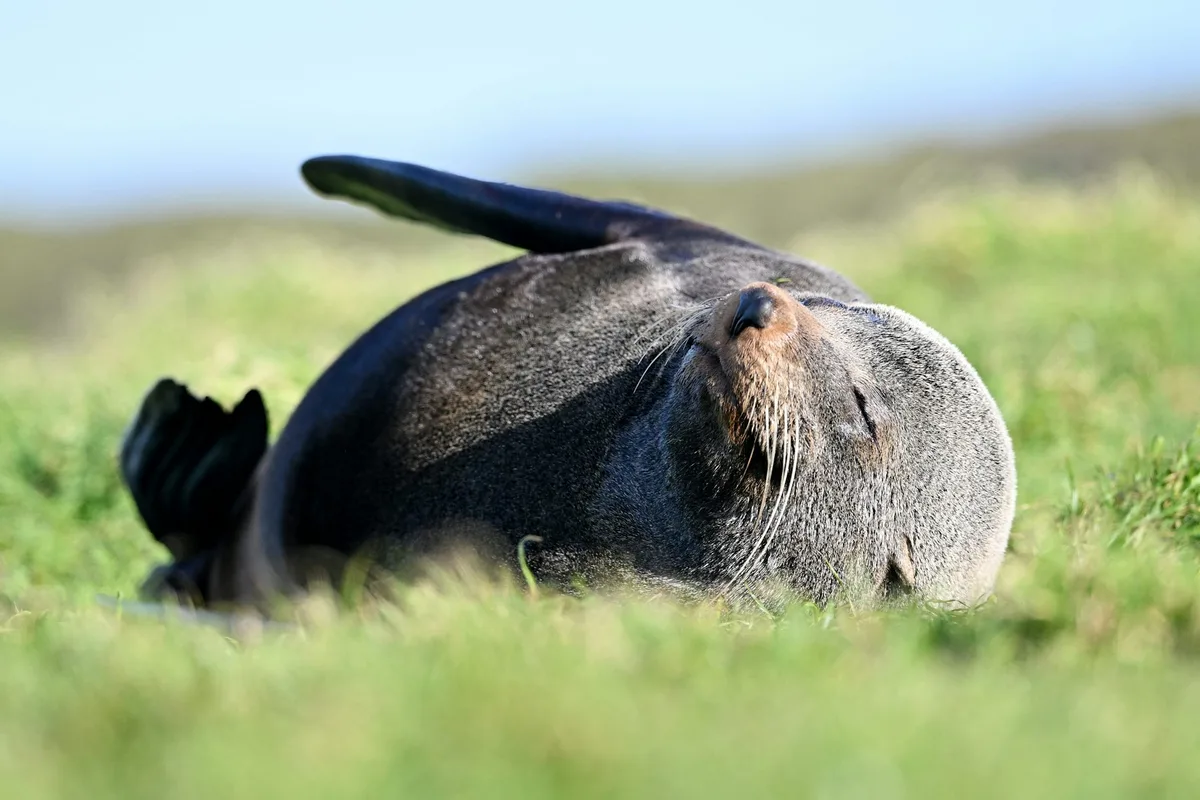
SANKA VIDANAGAMA/Contributor/Getty Images Australia has crossed another grim threshold in its H5N1 bird flu outbreak.
For the first time, the virus has infected an Australian mainland mammal: a long-nosed fur seal found dead at Beachport on South Australia’s Limestone Coast, about a four-hour drive southeast of Adelaide.
This is a devastating development, although sadly not an unexpected one.
H5N1 is already circulating in wild seabirds along the Limestone Coast, with many infected greater crested terns found at Beachport itself.
This seal likely caught the virus through contact with either infected birds or the environment they share.
As of today, there is no evidence that it is part of a wider marine mammal outbreak.
One infected seal is not a seal outbreak.
But we know from overseas just how quickly that can change.
We know how bad this can get When H5N1 reached southern elephant seals in Argentina in 2023 more than 17,000 pups died.
At one intensively monitored colony, mortality eventually reached 95%.
Genetic evidence strongly supported transmission between mammals , rather than thousands of seals independently becoming infected from birds.
The devastation followed the virus into the Southern Ocean.
On South Georgia island (east of the Falkland Islands), the number of breeding female southern elephant seals fell by 47% between 2022 and 2024 , following the arrival of H5N1.
Dead elephant seals in South Georgia, seen in early 2025 during the bird flu outbreak on the island.
5News aggregated this summary from the outlet’s public feed. The full article, with all the context, is on theconversation.com — the content belongs to The Conversation Australia.