‘Customers expect more’: Why today’s sandwich shops look (half) a million bucks
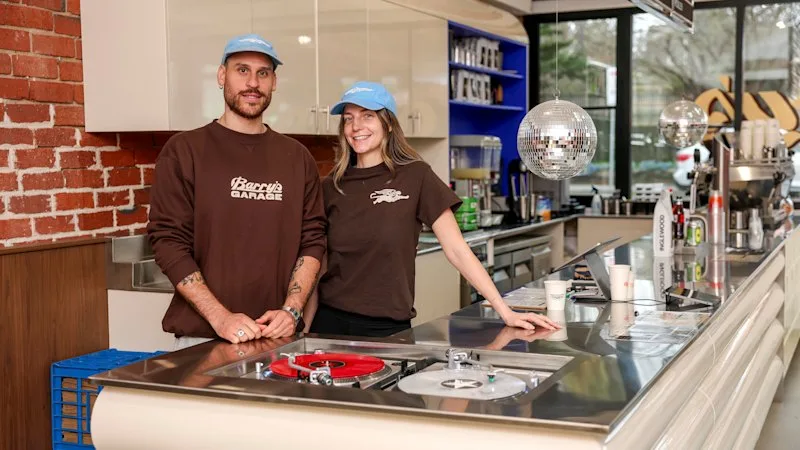
When Melbourne sandwich titan Hector’s Deli first opened in Richmond in 2017 , it set the wheels in motion for a transformation of the humble sanga shop that’s still playing out today. First, there was the food; $10 seeded salad rolls and Wonder White toasties morphed into $18 focaccias stacked with gourmet deli meats; hulking New York-style Reubens; and crumbed chicken sandwiches bigger than your head.
Later came the swish architect-designed interiors. Since that first shop, Hector’s has expanded to seven outposts across the city, including one on Lygon Street this year. Set foot in any of them, and the surrounds are a far cry from the delis and canteens where Australians used to buy their sandwiches. (Even the first Hector’s , a tiny 30-square-metre shop, feels relatively stripped back compared with its latest openings).
Its Little Collins shop, which opened in late 2025 in the heritage-listed Normanby Chambers building, was designed by Adelaide architects Studio Gram and features stainless steel, pendant lighting and reeded glass. It’s common for the brand to engage other high-end architects and interior designers for its store fitouts.
Others are following suit, with a barrage of design-led sandwich shops spreading across the city over the past 10 years.
“Focusing only on the items you’re selling isn’t going to make you remarkable,” Steven Ballerini, director of popular Carlton spot Sangaweech , says.
Historically, Melbourne sandwich shops were hole-in-the-wall operations or supplementary to a delicatessen or bakery (see Rocco’s Deli in Yarraville and the city’s many banh mi joints ). With cheap entry costs and no specialist chef required, they pumped for a couple of hours each day, but resided at the alcohol-free, lower-yield end of the hospitality chain.
But the market is changing, and it’s not enough to get by on product alone any more. According to a report on the Australian sandwich shop industry , published in February by market research firm IbisWorld, rising health consciousness and “foodie culture” are pushing sandwich shops towards more “gourmet” creations and salad-filled options.
Many sandwich shops still have a lower set-up cost than a restaurant requiring a full kitchen with gas and an exhaust system, but the growing number of places offering gourmet sandwiches means it’s increasingly important to go big on your fit-out (like Hector’s), or stand out in other ways.
Malvern’s Breadcetera , which recently opened a second outpost in Mount Eliza , combines takeaway sandwiches with boujee grocery items and homewares.
“From the beginning, we approached the fitout in much the same way we would a restaurant,” Natalie Osborne, co-owner of Breadcetera Mount Eliza, says.
5News aggregated this summary from the outlet’s public feed. The full article, with all the context, is on www.brisbanetimes.com.au — the content belongs to Brisbane Times.