Thursday 15 October 2026 SourcesAbout🌓
🇦🇺 AU ▾
BREAKING
› Wheatbelt mobile speed camera operator charged after allegedly causing near head-on crash› Australian politics live: jobless rate unexpectedly holds at 4.7%; Plibersek warns One Nation support ‘winding back’ abortion access› Locksley fires up copper growth push across NSW heartland› RBA on notice to hold off on rate rises as jobless rate hits 5-year high› Online safety laws to penalise platforms promoting gender-based violence› Wet weather gives Everest field hope of upsetting superstar favourite Ka Ying Rising› The damage Trump has inflicted on America is spreading› AFL clubs confirm interest in Bobby Hill with dumped star keen to revive career› Penfolds owner in no rush to sell discount labels› Six people killed, including a child, in shocking US plane crash after pilot warned of ice build-up› Wheatbelt mobile speed camera operator charged after allegedly causing near head-on crash› Australian politics live: jobless rate unexpectedly holds at 4.7%; Plibersek warns One Nation support ‘winding back’ abortion access› Locksley fires up copper growth push across NSW heartland› RBA on notice to hold off on rate rises as jobless rate hits 5-year high› Online safety laws to penalise platforms promoting gender-based violence› Wet weather gives Everest field hope of upsetting superstar favourite Ka Ying Rising› The damage Trump has inflicted on America is spreading› AFL clubs confirm interest in Bobby Hill with dumped star keen to revive career› Penfolds owner in no rush to sell discount labels› Six people killed, including a child, in shocking US plane crash after pilot warned of ice build-up
Science

Our detection dogs are helping protect one of Australia’s most imperiled lizards
The Conversation Australia ·
Our detection dogs are helping protect one of Australia’s most imperiled lizards

Rick Hammond/Zoos Victoria Many of the Australian animals most at risk of extinction are extremely tough to track down.

That’s because they live in small pockets of disappearing nature, such as rare grasslands or ancient forests, in worryingly low numbers .

One of the most obscure is the Victorian grassland earless dragon ( Tympanocryptis pinguicolla ).

These lizards can be identified by the three white stripes that run along their light brown bodies.

But their minuscule size, with a body about the length of your pinky finger, makes them difficult to spot.

This allows them to be creative with where they sleep – their favourite location being the wolf spider’s tiny burrows .

The Victorian grassland earless dragon currently wears the heavy crown of Australia’s most imperiled reptile .

The destruction of their native grasslands is a major reason why.

But after evading detection for more than 50 years, this lizard was rediscovered in a west Victorian sheep paddock in 2023.

This remains the only known population in the world.

This new study , led by La Toya Jamieson from Zoos Victoria, investigated whether wildlife detection dogs could help us protect these little dragons – by first finding their poo.

The Victorian grassland earless dragon is quite an elusive creature.

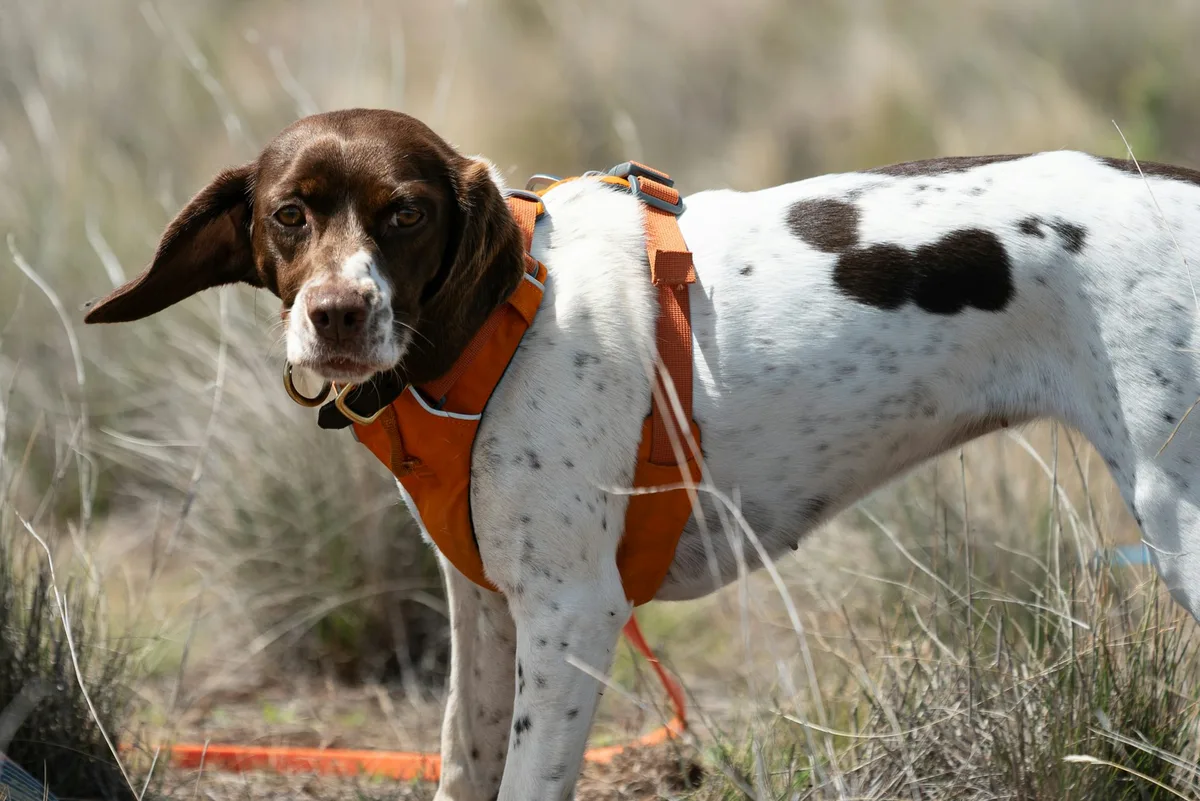
Rick Hammond/Zoos Victoria Conservation’s best friend Wildlife detection dogs use their sense of smell to locate plants, animals and fungi in their natural environment.

These dogs play a pivotal role in conservation efforts across the globe – all for the reward of a toy, cuddle or handful of treats.

Read the full article on The Conversation Australia ›

5News aggregated this summary from the outlet’s public feed. The full article, with all the context, is on theconversation.com — the content belongs to The Conversation Australia.


More from The Conversation Australia

See all ›

More in Science

See all ›