More than 5,000 little penguins will be vaxxed against bird flu. How will this protect them?
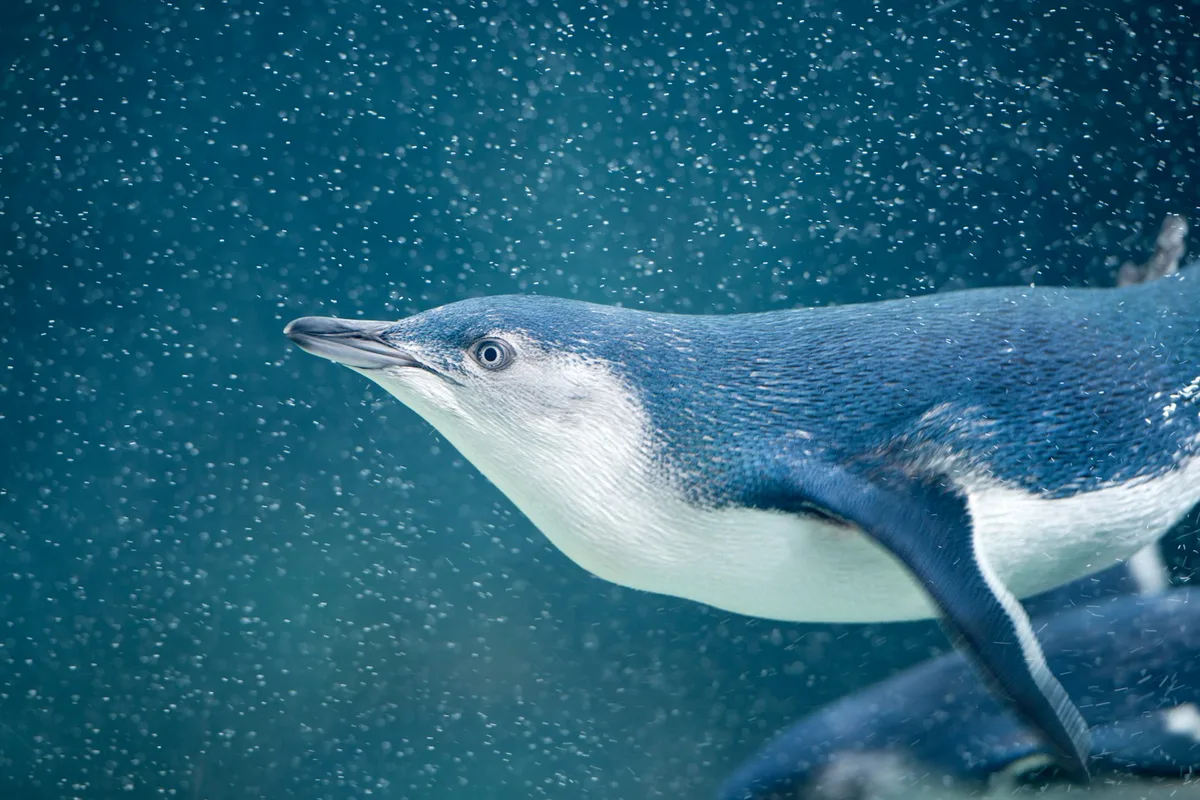
4FR/Getty A major push is underway to catch and vaccinate more than 5,000 little penguins in Victoria to protect them against the virulent H5N1 bird flu.
Victorian wildlife officers will carry out vaccinations at little penguin colonies at Phillip Island and St Kilda, in what the state government says is the world’s largest program to target wild birds.
One little penguin at Phillip Island has already died of bird flu.
Capturing wildlife for vaccination is difficult, particularly because they may need two or more doses of the vaccine.
So, how will this unprecedented program help little penguins? A significant threat Little penguins ( Eudyptula minor ) are the world’s smallest penguin , reaching a height of about 30 centimetres and weighing around 1.5 kilograms.
These charismatic birds live on the southern coast of Western Australia, South Australia, Victoria and New South Wales, as well as Tasmania and New Zealand.
Famously, they can be found on Philip Island in Victoria, where more than 700,000 people come each year to see them emerge from the ocean at sunset and waddle up the beach to their burrows in the “penguin parade” .
The colonies at Philip Island and St Kilda are home to around 40,000 penguins.
Because large numbers of birds live close together and the virus is highly infectious, bird flu poses a significant threat.
These little penguins live in burrows in the coastal health at Phillip Island.
Goddard_Photography/Getty Capturing wildlife to vaccinate them is difficult, particularly because the bird flu vaccination requires they be caught twice, for two doses.
However, little penguins are flightless, live in colonies and return at night to the same burrow, making them easier to capture and vaccinate.
Birds affected by H5N1 may be unable to stand or fly, or may appear lethargic.
They may have an unusual head or neck posture, or die suddenly in large numbers without any signs at all.
5News aggregated this summary from the outlet’s public feed. The full article, with all the context, is on theconversation.com — the content belongs to The Conversation Australia.