Historic Sydney police death ruling overturned as coroner opens path to honour roll
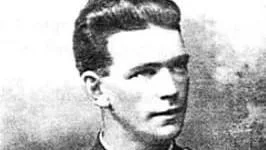
For more than 90 years, the family of Sydney police officer Leslie Andrew Nash say they’ve lived with the burden and “stigma across generations” that he took his own life with a service revolver in the bathroom of a suburban police station.
Constable First Class Nash’s death at Hurstville police station, in Sydney’s south, on April 15, 1935, was ruled a suicide at the time, bringing “disgrace and shame” upon the family and cast a black cloud that hung over their lives.
The ruling meant his widow Katie, who was pregnant with their sixth child at the time of her 37-year-old husband’s death, was denied a police pension, leaving her short of money and relying on the generosity of loved ones to buy food and clothing for her young family.
His family never believed the devoted father and husband would take his own life. It sat heavily with them over the decades until his son Peter, who was just shy of two years old at the time of his father’s death, retired and devoted his time to take action on their unwavering belief.
Now after a lengthy and tenacious fight, led by Peter and his sister Alma, the cloud has shadowed their lives has lifted with a NSW coroner finding there was not enough evidence to determine the manner of his death.
The decision now paves the way for Constable Nash to be recognised on the police Roll of Honour. Deputy State Coroner Judge Harriet Grahame has made the recommendation to the NSW Commissioner of Police that consideration be given to adding his name to the list commemorating members of the NSW Police Force who have paid the ultimate sacrifice.
In her findings published on Tuesday, Judge Grahame said the lack of reliable evidence precluded her from making a firm finding as to the manner of his death.
“I hope that by recording an open finding, there is some small comfort for the Nash family who have felt aggrieved by the previous finding of suicide for decades,” she said.
Sadly, Peter Nash didn’t live to witness the vindication of his father.
He died last year aged 91, just six weeks after his successful battle in the NSW Supreme Court to quash the findings of the 1935 inquest and get a fresh inquiry.
Peter’s son Michael told the Coroner’s Court while that was a source of deep sadness to the family, “it is also a source of quiet pride that his determination ensured that Leslie’s memory was not left where it had been for so many years”.
Judge Grahame looked into a number of different theories about Constable Nash’s death and the reasons advanced at the time as to what might have led him to take his own life.
Newspaper reports of his death pointed to him being in ill health and worrying about an upcoming police exam – theories his family never believed.
“They do not accept that Leslie was in a poor state of mind and, conversely, point to his great love for his family as being proof that he would not have chosen to end his own life,” Judge Grahame said.
5News aggregated this summary from the outlet’s public feed. The full article, with all the context, is on www.perthnow.com.au — the content belongs to PerthNow.