The US has struck a deal to control Venezuela’s oil reserves. It probably won’t help bring down fuel prices
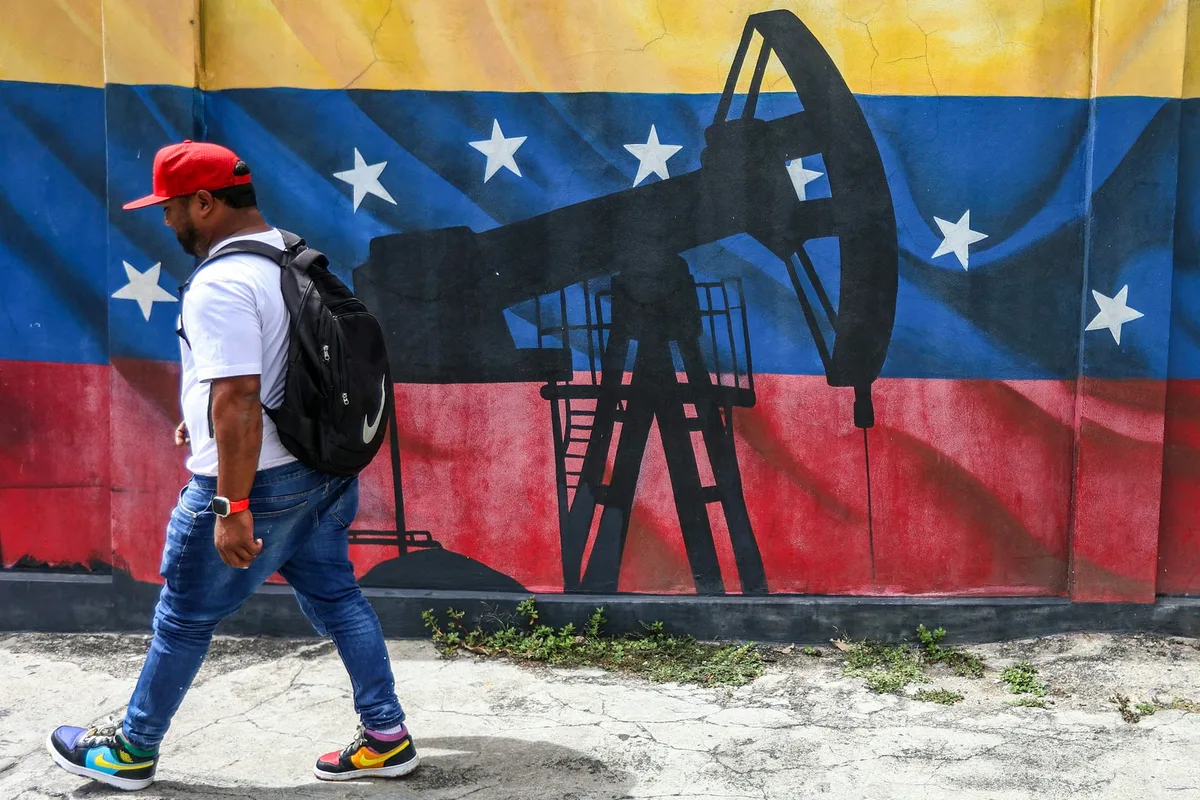
Pedro Mattey/AFP via Getty Images US President Donald Trump has announced an agreement with Venezuela that he called the “biggest oil deal in world history”.
The Trump administration says the agreement will double US oil reserves and lower fuel prices for all Americans.
But questions remain about whether and when that might happen.
Trump’s approval ratings are currently at record lows .
This deal is partly an attempt to address voters’ concerns about affordability ahead of the US midterm elections in November.
Yet for both the United States and Venezuela, a series of challenges pose significant barriers to the long-term success of the deal.
What do we know about the deal? On Monday, the White House provided further details about how the deal will operate.
Venezuela’s interim president, Delcy Rodríguez, has granted 100-year concessions to develop 17 oil fields to a joint venture between the US government and North American Blue Energy Partners, a private oil exploration and production company.
Combined, these fields have estimated reserves of 65 billion barrels of oil.
To put that in perspective, the total amount of extracted crude oil the US currently has sitting in its stocks sits at 718.6 million barrels – just 1% of the indicated quantity of Venezuelan oil.
The US-backed North American Blue Energy Partners is Venezuela’s second-largest private oil producer.
It’s run by Alejandro Betancourt López, a Venezuelan businessman who is reported to have ties with Rodríguez.
Under the agreement , the Pentagon’s Office of Strategic Capital (originally set up under the Biden administration) will take a 35% equity stake in North American Blue Energy Partners.
The US government is guaranteed 20% of oil offtake at cost, as well as the right of first refusal to purchase the remaining 80%.
5News aggregated this summary from the outlet’s public feed. The full article, with all the context, is on theconversation.com — the content belongs to The Conversation Australia.