Scam attempts rise as culprits adopt new strategies to steal billions

Scam rates in Australia have skyrocketed over the last 12 months, with scammers adopting new and threatening practices to target the savings of vulnerable people.
New data released by ANZ found that scam activity increased 18 per cent year-on-year from October 2025 to June 2026.
The data, released to support Scam Awareness Week, found scams continued to be one of the biggest financial threats facing Australians.
In 2025, Australians lost $2.18bn according to the National Anti Scam Centre, with the new data suggesting even greater amounts will be lost this year.
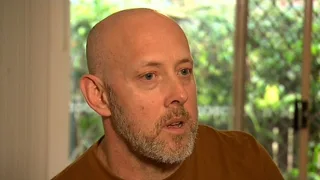
ANZ scams lead Ben Verhoef said advancements in technology are making it harder for people to distinguish between real business communications and fabricated scam attempts.
“I think scammers do use AI tools to help craft a better message or a message that reads more professionally with better grammar,” he said.
“We used to recommend things like looking for typographical errors or fonts that don’t look quite right, but to be honest, they’ve overcome a lot of those hurdles.”
Online shopping traps that fell under goods and services scams were the most common tactic used by scammers.
Impersonation, investment and romance scams were also highly prevalent, with romance and friendship scams reporting an increase in customer losses when compared to previous data and ranking the fastest-growing scam type.
The data also identified the end of financial year and university intake seasons as periods that experienced a spike in scam-related activity.
International students were also flagged as highly susceptible to scam attacks, with Mr Verhoef describing some common tactics used to target vulnerable members in this demographic.
“We’ve seen scams use interpreting services or technology that allows them to communicate with victims in their natural language,” he said.
“Particularly for these students, obviously being a younger demographic I don’t think they often know what to do or how to verify and ascertain whether it’s a real or a threat,” he said.
“Because of that very real fear exposed to them, they are inclined to comply with the instructions.”
5News aggregated this summary from the outlet’s public feed. The full article, with all the context, is on www.perthnow.com.au — the content belongs to PerthNow.