How the NRL narrowly avoided its own ‘Geelong moment’
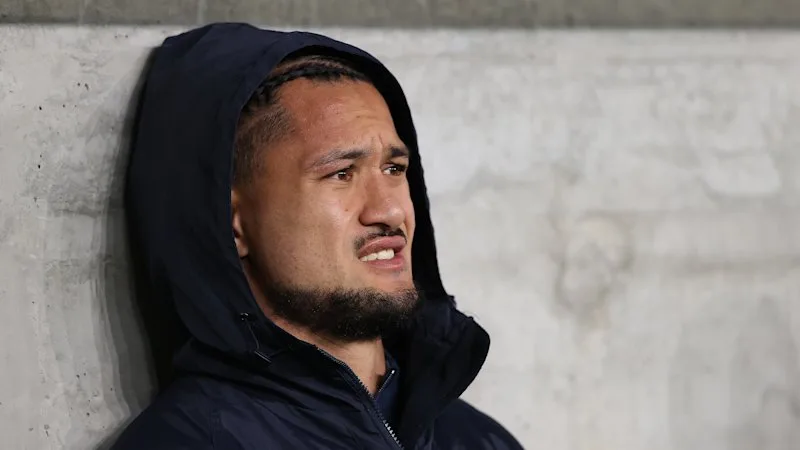
The NRL avoided its own “Geelong moment” after the Canberra Raiders refused to let Corey Harawira-Naera sign a waiver that would have seen him assume all responsibility for future on-field injuries.
The AFL was earlier this month rocked by reports that Geelong and Jake Kolodjashnij, a player with a history of concussive incidents, signed a legal waiver that protected the club as part of Kolodjashnij’s continued employment.
Now this masthead can reveal a similar situation had almost unfolded in rugby league when Harawira-Naera was desperate to resume playing, despite suffering a seizure during a game in 2023 .
Harawira-Naera underwent a series of tests and was eventually fitted with an implantable cardioverter-defibrillator (ICD) – a small, battery-operated device implanted under the skin in the armpit to monitor and treat life-threatening heart arrhythmias.
The New Zealand international was cleared to resume training by cardiologists, but when the Raiders refused to entertain any playing comeback in the middle of 2024, Harawira-Naera allegedly told the club he was happy to sign a waiver, which was quickly rejected.
“That could have been our ‘Geelong moment’,” Raiders chief executive Don Furner said on Sunday.
“We met with Corey and even had a Zoom call with one of his cardiologists in Melbourne, but we were never going to take the risk. We told Corey and his management that.
“We were happy for Corey to continue working at the club, and paid out the remainder of his playing contract.
“After doing all that, and assuring them we weren’t prepared to put Corey’s life at risk, his management said, ‘Corey is happy to sign a waiver’.
“But we never entertained it. I’m no solicitor, but I know you couldn’t waive away your duty of care to an employee. These waivers wouldn’t have held up legally anywhere if a tragedy happened.
“He wanted to keep playing footy. At the end of the day, we had to protect Corey from himself.
“I read an article about the Geelong situation and how the most difficult road for the club would have been sitting the player down and urging him to retire. That’s what we did with Corey.
“We never kept our dealings with Corey a secret, and we were in regular contact with the NRL and their chief medical officer.”
Furner, the game’s longest-serving NRL club CEO, said he expected more players to offer to sign waivers in the future, especially when it came to concussion, and it was important the game had clear policies and return-to-play protocols.
5News aggregated this summary from the outlet’s public feed. The full article, with all the context, is on www.brisbanetimes.com.au — the content belongs to Brisbane Times.