Matcha boom: How to make the $8 café favourite at home for just $2
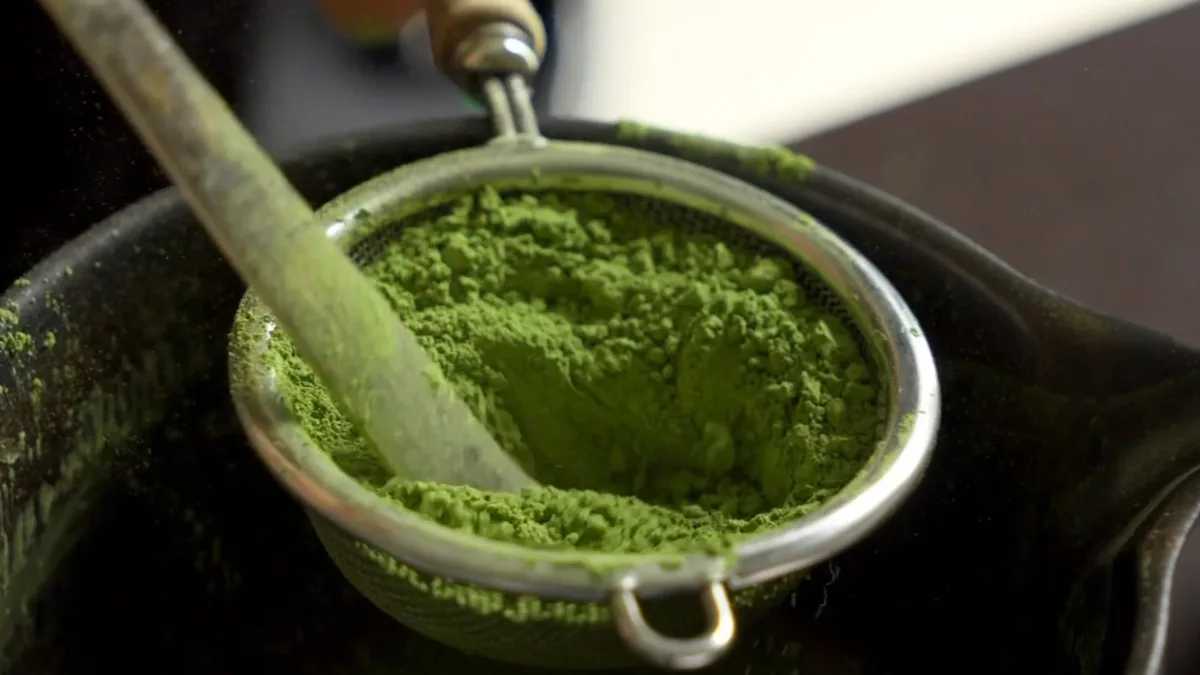
Matcha has exploded in popularity in Australia, with consumption doubling in the past year as the bright green drink becomes a staple on café menus.
But as demand soars, a global shortage is pushing prices higher, with some café matchas now costing around $8.
So what is behind the craze, is matcha really good for you and is it worth the extra cost?
Nutritionist Sarah Di Lorenzo joined Weekend Sunrise to break down the green drink trend.
Matcha is powdered green tea, meaning you consume the whole leaf rather than steeping the leaves and removing them.
It contains caffeine and L-theanine, an amino acid that may help provide a more sustained feeling of alertness.
It has also been embraced by the wellness world, thanks to its antioxidant and polyphenol content, while social media has helped turn the distinctive green drink into a global trend.
The matcha boom has collided with supply pressures in Japan, where challenging weather conditions have affected production.
Matcha is also labour-intensive to produce and tea plants take years to reach full production, meaning supply cannot simply be increased overnight.
That combination has pushed prices higher, with premium matcha now significantly more expensive than it was several years ago.
There is genuine nutritional value in matcha, particularly its antioxidants and plant compounds.
Research has also looked at the potential benefits of the caffeine and L-theanine combination for alertness and attention.
But Di Lorenzo said matcha is not a magic health food. One to two cups a day is plenty for most people, while drinking large amounts can mean consuming too much caffeine.
People who are pregnant, breastfeeding, sensitive to caffeine or have specific health concerns should check their intake with their healthcare professional.
5News aggregated this summary from the outlet’s public feed. The full article, with all the context, is on 7news.com.au — the content belongs to 7NEWS Australia.