Is Australia heading toward another Black Summer? Australians warned to prepare as regions most at risk revealed
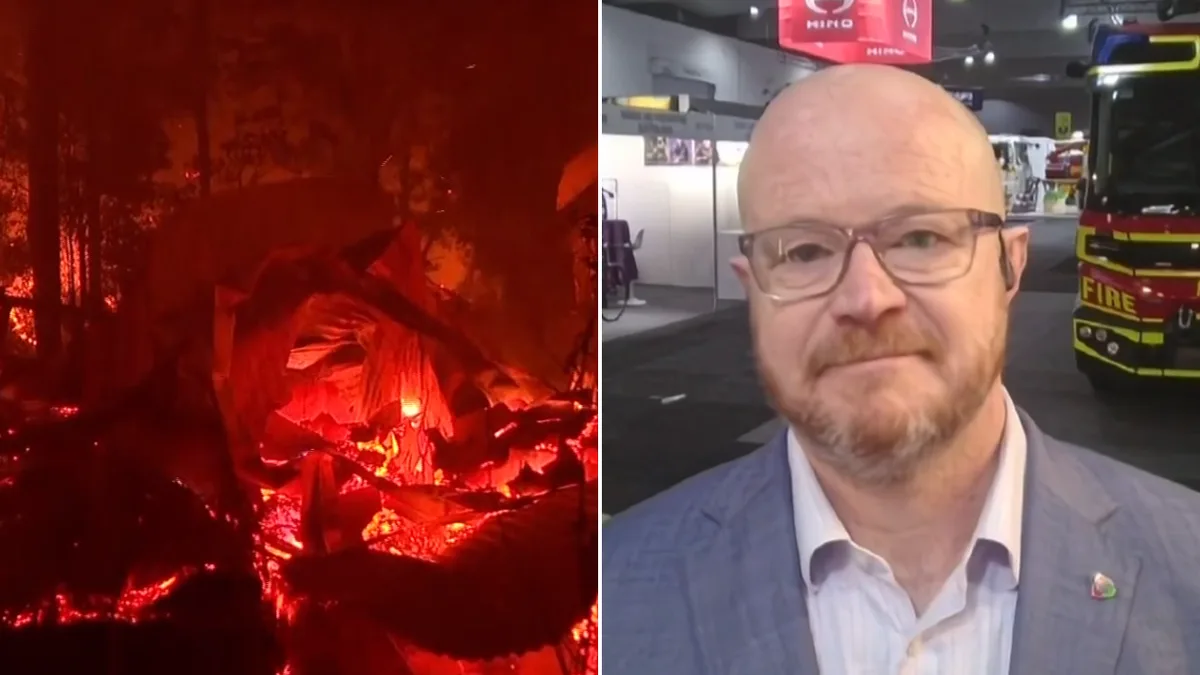
After a devastating season of wildfires across the Northern Hemisphere, attention is now turning to Australia as dry landscapes, increased fuel loads and a strengthening El Nino raise fears of a dangerous bushfire season.
The national bushfire outlook for spring has identified an increased risk across large parts of the country, including northern and southeastern NSW, southeast Queensland, northeastern Tasmania and parts of Victoria, South Australia and Western Australia.
Large areas of the Northern Territory are also facing an elevated risk.
But authorities have stressed the outlook is not a prediction Australia will experience a repeat of the catastrophic Black Summer bushfires of 2019-2020.
Instead, communities are being urged to prepare early and avoid becoming complacent.
Australian and New Zealand Council for Fire and Emergency Services CEO Rob Webb told Sunrise on Thursday it was “really important” for Australians to take the appropriate precautions before conditions deteriorated.
“The bushfire season can sometimes strike early and, as it develops over time, it just makes good sense to prepare early and make sure you don’t wait for the day the fire is on the horizon,” he said.
Webb said authorities were not “panicking” but wanted Australians to take the same precautions they should ahead of every bushfire season.
“Have a bushfire plan, make sure you know where you’re getting your information, but also make sure you know where you might go in the event of hearing from fire authorities that you should leave,” he said.
The spring outlook was developed through analysis by fire specialists from across Australia, alongside climate prediction and fire weather experts from the Bureau of Meteorology.
It identifies areas of above-normal fire risk based on factors including fuel loads, soil moisture and the extent of drying across the landscape.
Below-average rainfall has increased the potential bushfire risk across northeast and eastern Tasmania and parts of Victoria.
In Western Australia, above-average fuel loads and dry soil conditions are contributing to the heightened threat.
Webb warned recent rainfall in some regions should not give residents a false sense of security.
5News aggregated this summary from the outlet’s public feed. The full article, with all the context, is on 7news.com.au — the content belongs to 7NEWS Australia.