Are we in World War III, and just don’t know it?
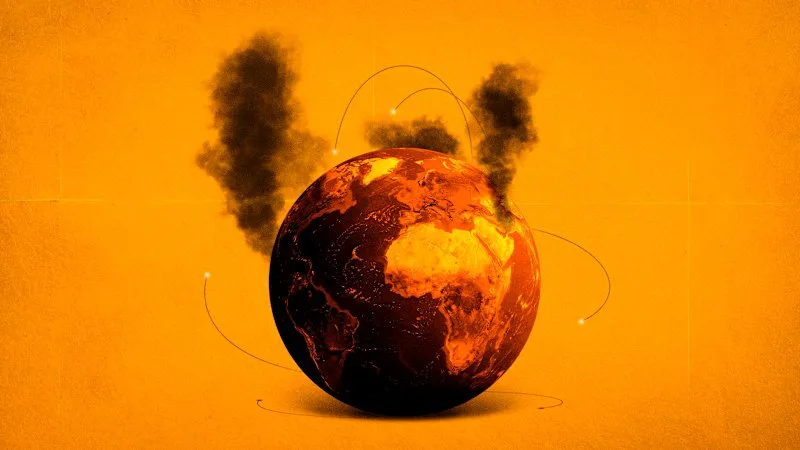
When US President Donald Trump accused Ukrainian President Volodymyr Zelensky of “gambling with World War III”, in a furious exchange in the White House in March last year, it was easy, perhaps, to write the statement off as overblown rhetoric. That’s just Trump, trying to strongarm Zelensky into giving up stolen land to Vladimir Putin, in exchange for peace.
But in the 18 months since that explosive episode in the Oval Office, the world’s mood has shifted.
Mastheads from around the globe – from Japan to the United States and Britain – have begun asking if we are perhaps already in World War III, and just don’t know it. (Or, as The Hill put it on August 11: “World War III is already here, and Trump must rise to the challenge”.) Dialogue, the invite-only social club co-founded by billionaire tech investor Peter Thiel, was reportedly planning to hold a session on “Prepping for WWIII” sometime last month until this year’s conference was cancelled.
“It’s a fair question, and a number of people are asking it,” says Professor Robert Pape, a University of Chicago political science expert, of whether we’re in third world war now, and just don’t know it.
“Because we have two major wars that are impacting big parts of the world happening at the same time [in Iran and Ukraine],” says Pape, whose popular substack, The Escalation Trap , has been monitoring the Iran war. And watchers of history, he says, know how unexpected events can suddenly spark a massive escalation, and unforseen devastation, within existing wars.
We might spy Iran holding the Strait of Hormuz hostage – causing the price of oil, fertiliser and other goods to skyrocket around the world – while the US threatens “D-Day”-like sanctions on Iran and bond markets dive, and think back, worryingly, to earlier times. The impact of hyperinflation on the Weimar Republic in Germany and the rise of the Nazis, for example, or the bloodless, economic warfare that led Japan to bomb an American naval fleet in Pearl Harbour on December 7, 1941.
That event changed the course of World War Two, drawing in the United States, and leading, eventually, to then-president Harry S Truman’s fateful decision to unleash the nuclear bomb.
Japan shared no fealty to the Nazi ideology, the motivating force behind Hitler’s reign of terror that saw him direct Germany’s forces to invade country after country across Europe. Rather, Japan decided to bomb Hawaii, only after the US, Britain and the Netherlands had imposed a total oil and raw material embargo on it.
“So they thought, ‘our survival and our standing as a great power requires going to war with another great power’,” says James Der Derian, director of the University of Sydney’s Centre for International Security Studies.
“So, who’s Japan in this instance?” he says, of our current geopolitical climate. “I’d be stressed to say China. But if China feels like its economy is being threatened by failure to have sustained and predictable flow of not just oil and fertiliser, but other things related to oil, and 20 per cent [of that] coming out of the Hormuz Strait, would they become more involved? So far they don’t have that projection of power.
5News aggregated this summary from the outlet’s public feed. The full article, with all the context, is on www.watoday.com.au — the content belongs to WAtoday.