Saturday 17 October 2026 SourcesAbout🌓
🇦🇺 AU ▾
BREAKING
› Journalist hurt as Israeli settlers burn olive trees in West Bank attack› Kate Waterhouse's tips for race day› Caulfield Cup and The Everest LIVE: Big-name celebrities out in force for the richest day in Australian racing› Coroner probes ambulance delay as man's family grieves› Why Trump’s new press secretary had to go after just five days› Images released after women sexually assaulted on walking trails in North Sydney› Live: Wallaroos take on Scotland ahead of Wallabies' clash with All Blacks› Police detain 'cockroach' movement founder ahead of protests in Delhi› 'Hero' bystanders helped prevent further bloodshed in deadly Oregon shooting› ‘Shelter in place’ warning as Australians told not to travel to Middle East hub› Journalist hurt as Israeli settlers burn olive trees in West Bank attack› Kate Waterhouse's tips for race day› Caulfield Cup and The Everest LIVE: Big-name celebrities out in force for the richest day in Australian racing› Coroner probes ambulance delay as man's family grieves› Why Trump’s new press secretary had to go after just five days› Images released after women sexually assaulted on walking trails in North Sydney› Live: Wallaroos take on Scotland ahead of Wallabies' clash with All Blacks› Police detain 'cockroach' movement founder ahead of protests in Delhi› 'Hero' bystanders helped prevent further bloodshed in deadly Oregon shooting› ‘Shelter in place’ warning as Australians told not to travel to Middle East hub
Science

How decoding beluga whales’ chitchat may save them – and teach us more about ourselves
The Guardian Australia - Science ·
How decoding beluga whales’ chitchat may save them – and teach us more about ourselves

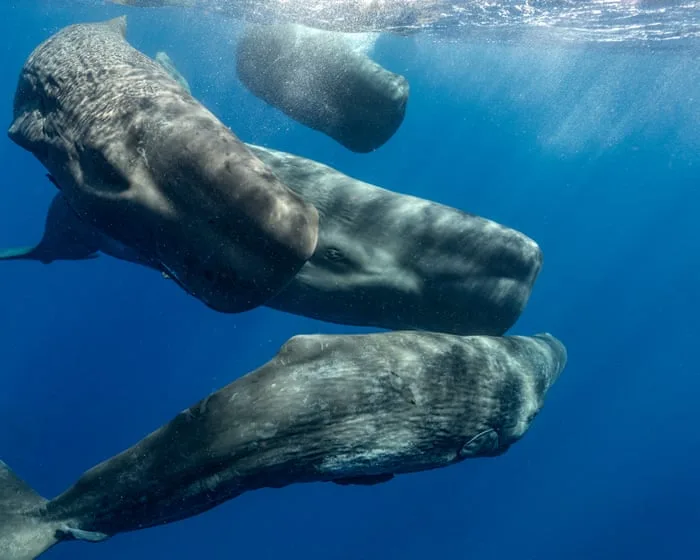
From humpbacks learning the latest songs to sperm whales’ ‘clan codas’, drones and AI learning are helping reveal another dimension to the concept of culture In 2015, the whale researcher Valeria Vergara pitched a small tent at the icy water’s edge on Somerset Island in the remote Canadian high Arctic, shrouded in a freezing fog so thick she struggled to see her own hands.

She trailed a cord out to the coast and plopped a hydrophone into the water to record the calls of belugas.

As many as 1,000 of the whales, accompanied by their newborn calves, frequented the surrounding bay.

Belugas’ ceaseless chatter, made up of dozens of unique sounds, is crucial to keeping these creatures connected in the dim, turbid waters of the Arctic.

Continue reading...

Read the full article on The Guardian Australia - Science ›

5News aggregated this summary from the outlet’s public feed. The full article, with all the context, is on www.theguardian.com — the content belongs to The Guardian Australia - Science.


More from The Guardian Australia - Science

See all ›

More in Science

See all ›