NZ’s health system suffers from chronic ailments only cross-party consensus can treat
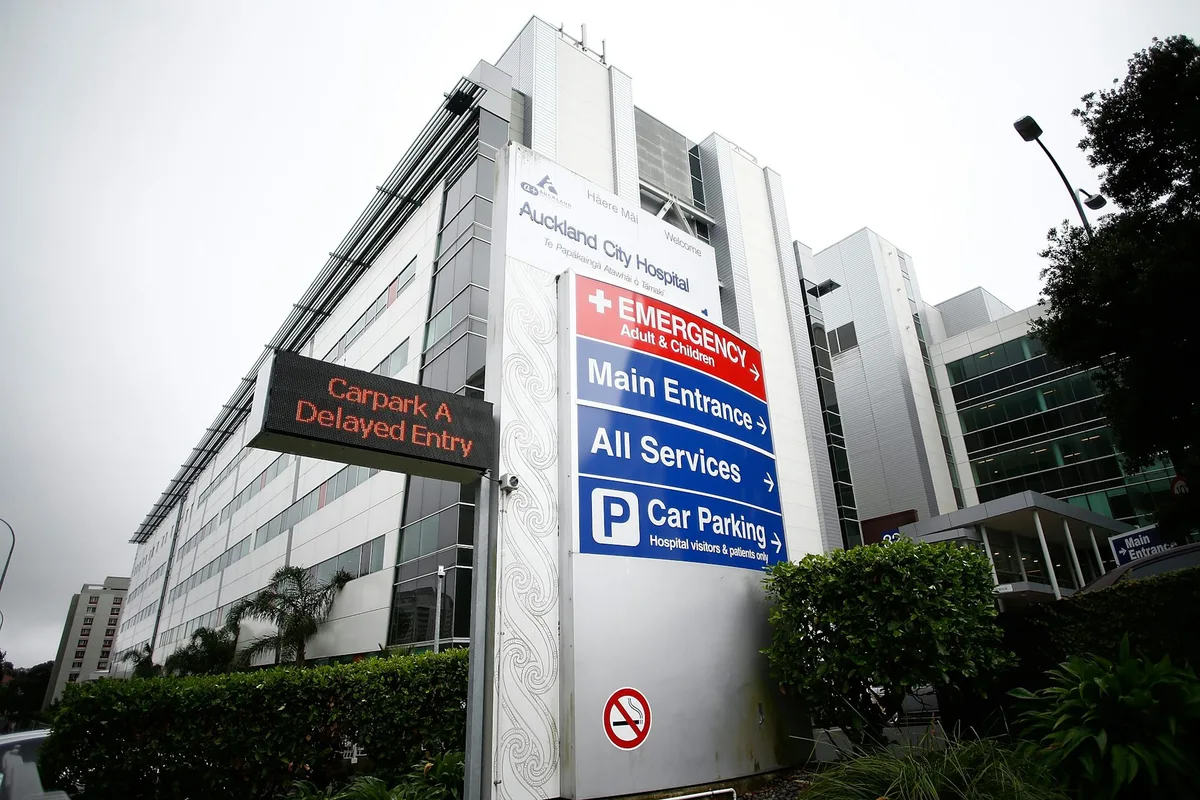
Phil Walter/Getty Images With news of hospitals unable to provide safe care , workforce shortages and difficulties in accessing services , health is again a major voter concern leading up to next month’s general election.
Last month, Treasury’s Pre-election Economic and Fiscal Update ( PREFU ) highlighted rising health costs as a significant fiscal risk, and both major parties are promising to invest billions to maintain existing baseline services.
But neither party has a credible plan for addressing the system’s underlying problems caused by chronic underfunding and inadequate long-term planning.
The current government inherited a health system under pressure.
Since then, concerns about access to services and the capacity to provide them have persisted.
To address these underlying issues, all political parties, ideally led by Labour and National, will need to build a long-term, consensus-based, cross-party plan.
Read more: Election Policy Tracker: your guide to what the parties are promising during the 2026 election campaign What changed since the last election In 2024, the government announced health targets to deliver faster access to cancer treatment, improve childhood immunisation rates, shorten stays in emergency departments and cut wait times for first specialist assessments and elective treatment by 2030.
So far, it has failed to deliver .
Underfunding and a lack of long-term planning have made it particularly challenging to achieve shorter stays in emergency departments and faster access to first specialist assessments and elective services, falling between 19-29% short of the respective targets .
At the same time, political attention has increasingly shifted from health system structure to performance.
Since wider reforms in 2022, the overall health debate has shifted from the creation of Health New Zealand, intended to support coordinated national services and reduce bureaucracy, to whether patients can obtain timely care.
In the process, medical professionals have taken industrial action over pay demands, and have hit back at the implication they should improve service access and delivery without additional resourcing .
Meanwhile, the government has moved to bolstering the private sector through long-term contracting for publicly-funded elective procedures, such as opthalmology and orthopedics.
This essentially tilts the balance away from the public health system, without an overarching plan for how the public sector will be maintained.
5News aggregated this summary from the outlet’s public feed. The full article, with all the context, is on theconversation.com — the content belongs to The Conversation Australia.