‘Unacceptable risk’: Bombshell finding as report into deadly MRH-90 Taipan crash released
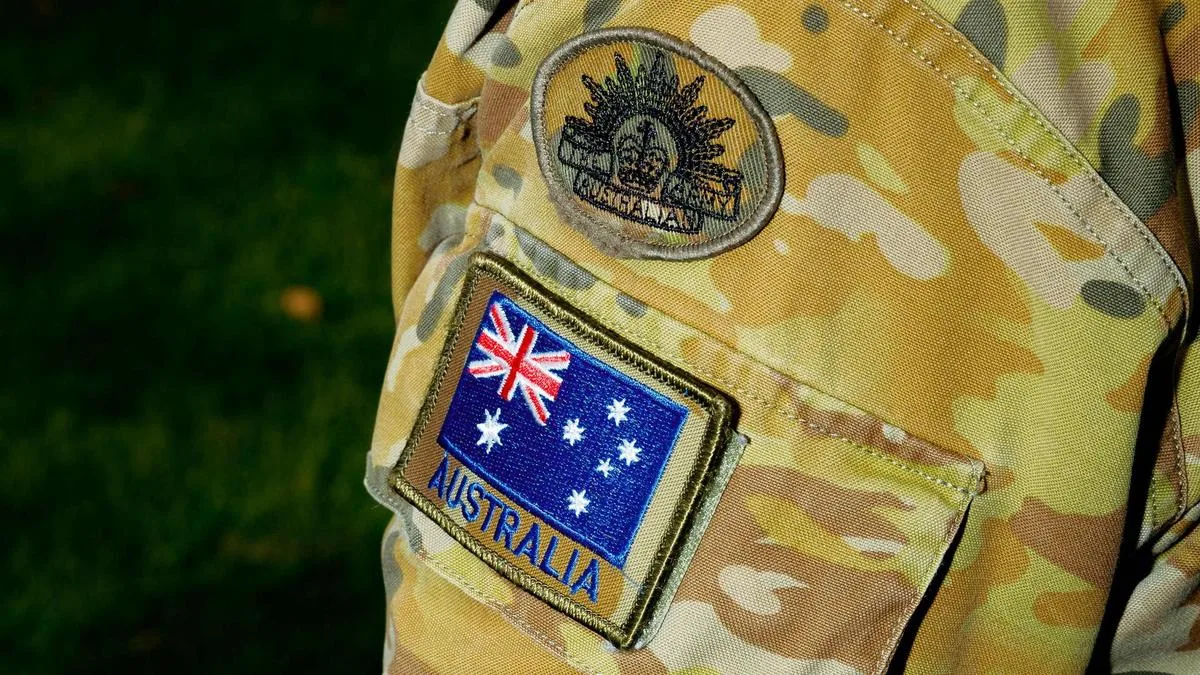
A parliamentary report has found multiple failures – including dangerous software, a flawed aircraft and severe crew fatigue – led to a deadly MRH-90 Taipan helicopter crash which killed four soldiers in 2023.
Bushman 83 was flying low over the Whitsundays’ waters simulating complex night extraction mission when it crashed near Lindeman Island, killing Captain Danniel Lyon, Lieutenant Maxwell Nugent, Warrant Officer Class Two Joseph Laycock and Corporal Alexander Naggs.
The incident marks the only deaths in Exercise Talisman Sabre’s 21-year history.
Three years later, a parliamentary probe has found there was not one but several reasons for the crash, including the aircraft itself.
Selected in 2004 over the Army’s preferred S-70M Black Hawk, the “MRH-90 helicopters had a long history of reported issues”, the Senate Legal and Constitutional Affairs References Committee found in its report published on Thursday.
“Whilst the initial in-service date of December 2007 was met, the aircraft were accepted in a form that was non-compliant with the contracted specifications,” it reported.
A 2021 review found “the total cost of the MRH-90 program would be $15 billion by the time the helicopters were due to be withdrawn from service in 2037”, with most of the money going toward upkeep.
Following the fatal crash, they “were taken out of service, dismantled and scrapped, rather than being sold or donated”.
Defence Minister Richard Marles said at the time that there were no interested buyers and that the “value in those frames lay in the spare parts” they offered.
The crew were using night-vision as they flew over the Whitsundays in formation with three other Taipans.
“The actions of the crew of Bushman 83 have never been called into question,” the report said.
“Highly experienced pilots, retired Majors David Lamb and Ian Wilson, told the committee that the environment the pilot was operating in ‘would challenge even the best pilot on the planet to recover, if they were put in the same circumstances’.”
However, they were using a helmet display software update despite the Army’s safety unit deeming it dangerous.
The Army Aviation Test and Evaluation Section (AATES) found that when pilots turned their heads sideways while wearing updated the helmet, the screen mixed up tilt and angle information, giving pilots false visual cues in the dark.
5News aggregated this summary from the outlet’s public feed. The full article, with all the context, is on www.perthnow.com.au — the content belongs to PerthNow.