The true story behind the record label that defined pop in the ’80s and ’90s
Siân Pattenden still remembers her life flashing before her eyes. This was back in the early ’90s, when she was a young writer for English pop magazine Smash Hits. She was doing a story on boy band East 17.
The bad boy of the group, Brian Harvey, realised he had to move his car, as it was illegally parked, and encouraged Pattenden to accompany him. He proceeded to put the pedal to the metal and the car careened down the street at dangerously high speed, Pattenden hanging on for dear life, visions of being a footnote in a pop star’s obituary in her head.
Pattenden survived to tell the tale, and went on to write for The Face , Select and The Guardian , and became a broadcaster, visual artist and children’s book author. Her latest venture is a podcast about London Records, the UK label that was a hit machine in the ’80s and ’90s, signing not just East 17, but Bronski Beat, Bananarama, Fine Young Cannibals, The Communards, Shakespears Sister, All Saints and more.
“It really was a unique label,” Pattenden says. “As it was owned by PolyGram, it had major label money, but the way it operated was maverick. It was run by people who wanted hits, but they didn’t try to be lowest common denominator to get them. They were truly passionate about music.”
Across the five episodes of Hit That Perfect Beat: The London Records Story , we hear about the ambitious execs at the core of the label: Roger Ames, Tracy Bennet, Colin Bell and Pete Tong.
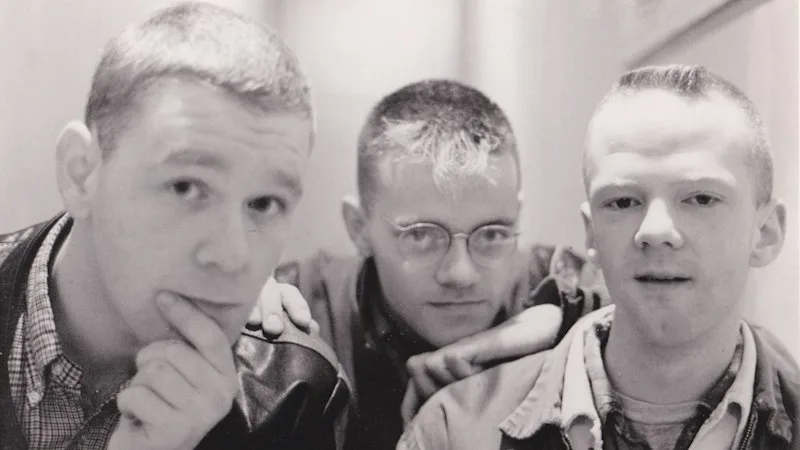
One of their first signings was Bronski Beat, a trio fronted by Jimmy Somerville. Their debut single, Smalltown Boy , was accompanied by a music video that not only didn’t shy away from the fact that the group was gay, it highlighted it and embraced it. Colin Bell, who is gay, appears in the video as a police officer, and was supportive of the band and what it was trying to do.
“Colin fought for his acts,” Pattenden says. “He knew that Bronski Beat wanted to make a political and personal statement, and he wanted to help them do that. I really think other labels would have squashed that, or tried to change it.”
The podcast doesn’t shy away from some of the dodgier practices that London, along with many other UK record labels, indulged in back then. One episode covers “record hyping”, where employees travelled to record shops around England buying the label’s new releases to boost sales, getting them into the charts so that the bands were eligible to appear on the influential weekly TV show Top of the Pops .
Pattenden also interviewed many of the artists about the insanity of those years and the surreal nature of pop stardom. Siobhan Fahey of Bananarama (and later Shakespears Sister) remembers signing on for the dole each week, even as her group’s records climbed the charts in the ’80s.
London threw around lots of money, while having a slightly alternative take on commercial pop. Just as All Saints were marketed as a more relatable, less glossy Spice Girls, East 17 were touted as a cheekier, street-smart Take That.
“Even when I interviewed them back in Smash Hits days, East 17 were mental,” Pattenden says.
5News aggregated this summary from the outlet’s public feed. The full article, with all the context, is on www.watoday.com.au — the content belongs to WAtoday.