Maccas meals and Macbooks: How Australians are getting whacked by inflation
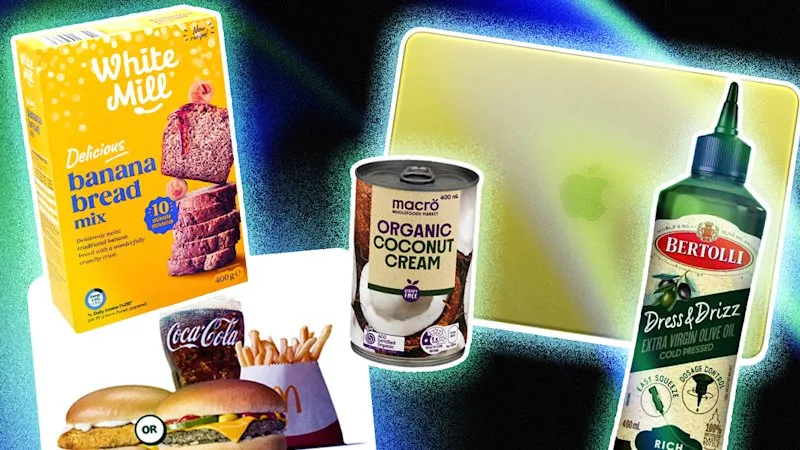
Australia’s inflation woes are spreading out from the fuel sector to everything from discount fast food meals to premium computers, keeping inflation higher as merchants begin to price in costs that they had once tried to absorb.
Over the past year, food and beverage prices rose 3.2 per cent, alcohol prices gained 4.5 per cent, and clothing and footwear increased 4.8 per cent on average according to the Australian Bureau of Statistics.
“There are a bunch of businesses who haven’t shifted their prices or haven’t shifted them much because they keep hoping price shocks will be temporary,” said independent economist Chris Richardson. “But as this looks more and more like a forever war, businesses will build that into their pricing.”
Iran has kept the Strait of Hormuz largely closed amid its ongoing conflict with the US under President Donald Trump, while the Houthi militia movement in Yemen has curbed shipping through the Red Sea. Both steps have sharply curbed oil coming out of the key region.
“People know they used to be better off,” Richardson said. “Those fuel prices are starting to wreak havoc upstream and that will hit downstream everywhere from supermarkets and your Amazon purchases.”
The more affordable offer, the $6.95 ‘McSmart Saver’, will get you a hamburger, small fries and a drink, and three nuggets – but is only available on the MyMacca’s app.
Billed as Apple’s “most affordable laptop ever”, the Macbook Neo launched in Australia earlier this year at a starting price of $899 – but in late June, Apple lifted their prices around the world, pointing to the data centre boom that has resulted in a shortage of storage and memory parts ( nicknamed “RAMageddon” ).
The Reserve Bank’s Assistant Governor Sarah Hunter called out the AI boom as a contributor to global economic and inflation risks.
“Anyone who’s bought a new iPhone recently might have noticed that the price went up quite a bit. That’s actually true for consumer electronics more generally,” she said on Monday.
“It certainly doesn’t move an aggregate needle, but it’s just to give you an example of that global environment potentially being more inflationary.”
Supermarkets are one of the first to see how our purchasing patterns change, and Coles, Woolworths and Aldi have all announced lower shelf prices in recent months to keep shoppers on side.
Swathes of pantry items now cost more than they did just months ago. A bottle of Bertolli extra virgin olive oil dressing, which was $10 three months ago, will now cost you $16 at full price at Coles. A four-pack of Mother energy drink that would have cost $9.30 in June, is now $14.50, according to figures provided by grocery price comparison site WiseList.
German discount supermarket Aldi isn’t immune from price hikes either. A box of White Mill banana bread mix that was $1.99 six months ago is now $2.49.
Economists are flagging more pain to come. With harvest season now kicking in, higher diesel and fertiliser costs are yet to be passed on. “It’s not over yet,” said Richardson.
5News aggregated this summary from the outlet’s public feed. The full article, with all the context, is on www.watoday.com.au — the content belongs to WAtoday.