The ancients also worried about the risks of gambling. But even Roman emperors played dice
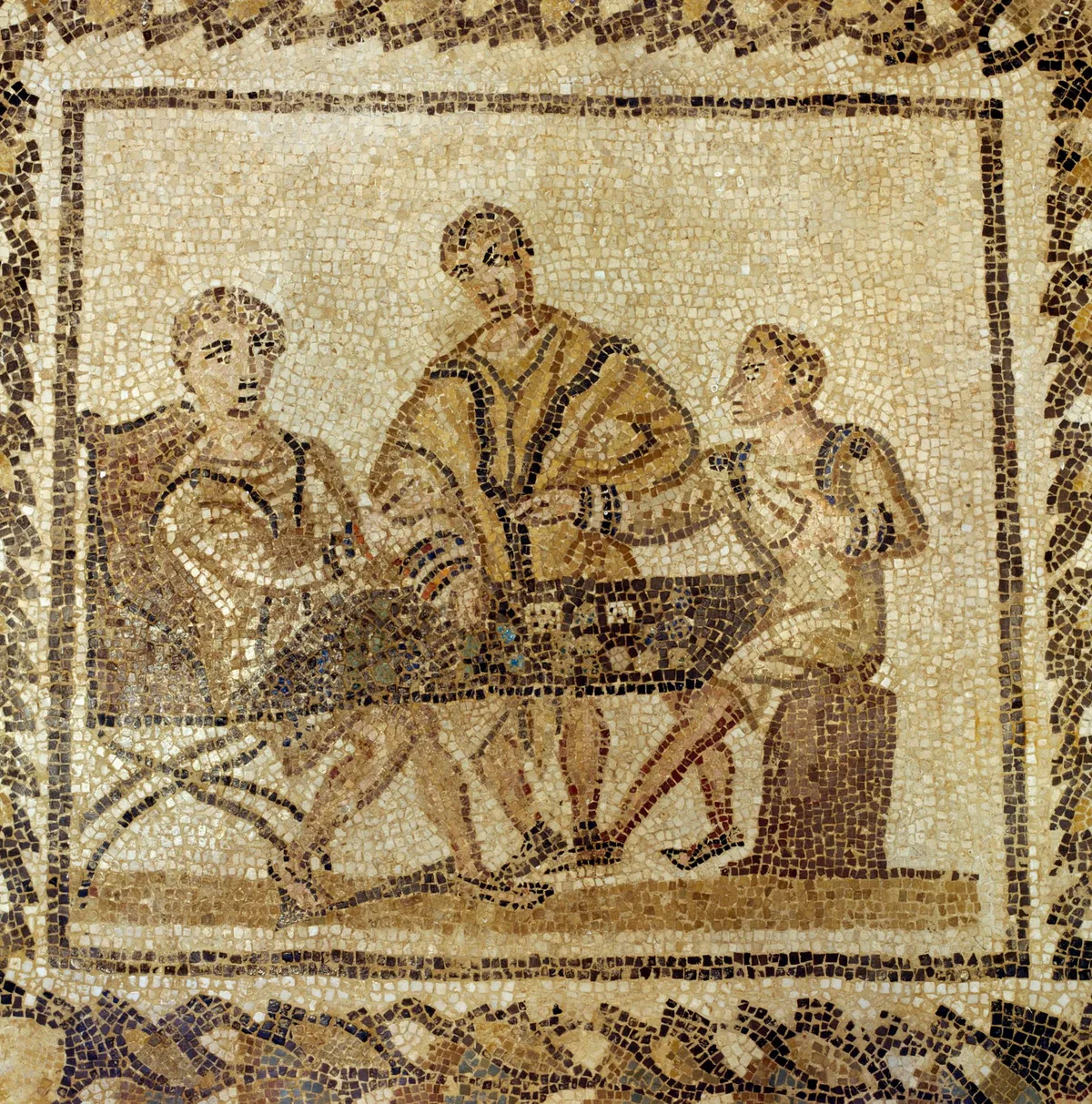
Dice players in a mosaic panel from Thysdrus, Tunisia, Roman 2nd century CE.
DeAgostini/Getty Images Australia is once again debating how gambling should be regulated, particularly the reach of online betting and gambling advertising.
The arguments may sound modern, but the problem is not.
Ancient Greeks and Romans also gambled enthusiastically, worried about people who gambled too much, and tried different ways of keeping the habit under control.
Their efforts were not particularly successful.
The popularity of gambling The Roman emperors themselves show how attractive gambling can be.
Augustus (63 BCE–14 CE), Rome’s first emperor after the fall of the Republic, was an enthusiastic dice player.
The Roman biographer Suetonius preserves one of Augustus’ own letters that describes a holiday spent gambling: we played all day long and kept the gaming-board warm.
Augustus admitted he lost 20,000 sesterces (worth about A$150,000 today), while another player, after heavy losses, “unexpectedly and little by little got back a good deal”.
The excitement of losing, recovering and continuing to play sounds remarkably familiar.
Claudius , emperor from 41 to 54 CE, took the passion for gambling even further.
Suetonius says Claudius was “greatly devoted to gaming”, and even wrote a book about it.
More remarkably, Claudius played while travelling: he had a gaming-board fitted to his carriage so “his game” would not be disturbed by the movement.
The stigma of gambling Gambling was a common pastime in the ancient world, but it could carry a stigma.
5News aggregated this summary from the outlet’s public feed. The full article, with all the context, is on theconversation.com — the content belongs to The Conversation Australia.