Goodwin back-pays 335 workers more than $1.39m after Fair Work Ombudsman action
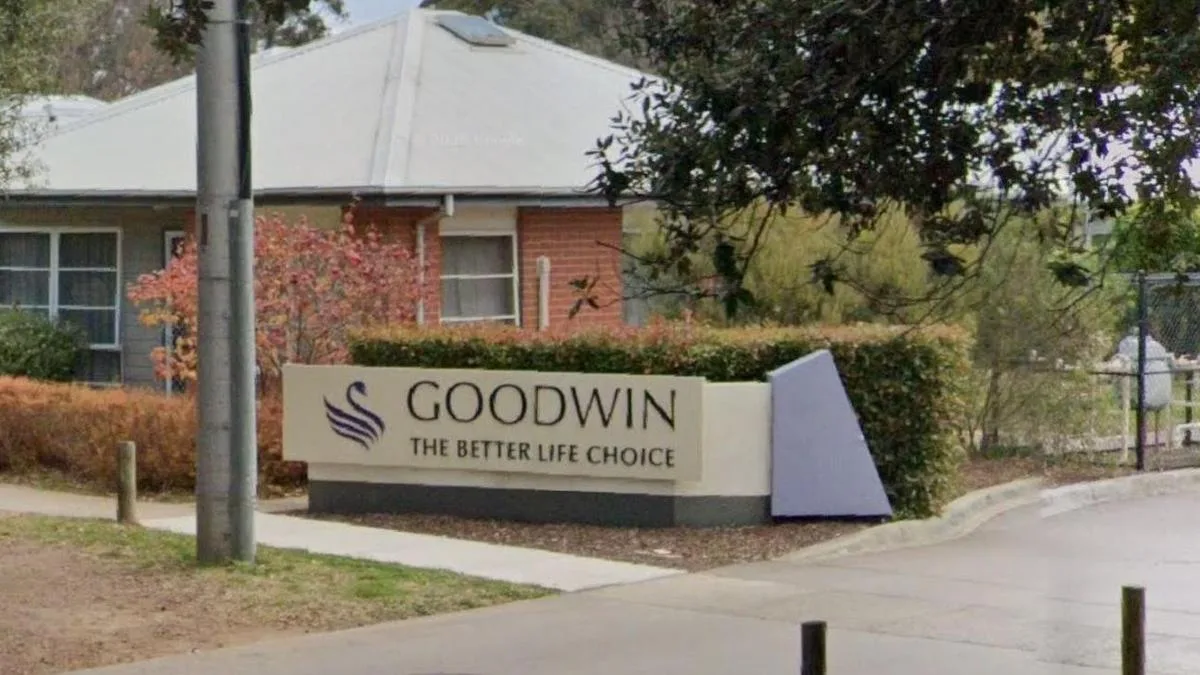
One of Canberra’s biggest aged care providers has entered a formal deal with the Fair Work Ombudsman after underpaying hundreds of workers more than $1.39m in wages, superannuation and interest.
Goodwin Aged Care Services, a long-running not-for-profit and registered charity with operations across the ACT and NSW, has signed an enforceable undertaking after an internal review uncovered payroll and pay arrangement failures affecting 335 employees over several years.
The underpayments, which Goodwin self-reported to the Fair Work Ombudsman in July 2024, stretched from July 2018 to March 2025.
Back-payments ranged from as much as $38,760 for one worker to as little as $2, with the average repayment $4165.
Most of the affected workers were based in the ACT. More than three in four came from non-English speaking backgrounds, while 10 per cent were visa holders.
The workers held a wide mix of roles across the organisation, including personal care workers, nurses, care managers, catering assistants, cleaners, laundry attendants, chefs, allied health professionals, planning officers and administrators.
Goodwin provides retirement living, residential aged care, home care and allied health services and has deep roots in Canberra.
The organisation traces its history back to the 1950s and has grown into one of the ACT’s largest locally based aged care providers, with services also extending into regional NSW.
The Fair Work Ombudsman found the biggest issue involved individual flexibility arrangements used for 313 employees.
Goodwin’s own compliance audit found those arrangements did not leave workers better off overall compared with the relevant award or registered agreement and relied too heavily on non-monetary benefits.
A separate payroll problem also affected another 22 residential care employees who were not on those arrangements. In those cases, the payroll system had been set up incorrectly, meaning workers missed penalty rates for early afternoon shifts.
Those shortfalls worsened during the Covid-19 pandemic when staff worked those shifts more often than usual.
Fair Work Ombudsman Anna Booth said the case should serve as a warning to the broader aged care sector, particularly because of the high number of migrant workers employed across the industry.
“Migrants and visa holders are a priority for the FWO, as they can be vulnerable in the workplace including due to lack of awareness of laws or concerns about speaking up,” Ms Booth said.
5News aggregated this summary from the outlet’s public feed. The full article, with all the context, is on www.perthnow.com.au — the content belongs to PerthNow.