Monday 17 August 2026 SourcesAbout🌓
🇦🇺 AU ▾
BREAKING
He lived like a man with nothing to fear. His shooting has left even the underworld shocked Convicted rapist Ralph Carr unrecognisable as he faces court What’s on voters’ minds as the first votes are cast in the battle for Secret Harbour? When should you access your super? Battle lines are being drawn Wards were over capacity when patient took her life, inquest told ‘Historic milestone’: Third strike called off as teachers back pay deal Australian politics live: Tehan booted from question time after telling Bowen to ‘cut the crap’ on renewable scheme Gangland boss fighting for life after shooting Alan Jones trial as it happened: ‘Complainant C’ grilled over ‘flirtatious messages’ to Jones in cross-examination Actress Hayden Panettiere dies aged 36 He lived like a man with nothing to fear. His shooting has left even the underworld shocked Convicted rapist Ralph Carr unrecognisable as he faces court What’s on voters’ minds as the first votes are cast in the battle for Secret Harbour? When should you access your super? Battle lines are being drawn Wards were over capacity when patient took her life, inquest told ‘Historic milestone’: Third strike called off as teachers back pay deal Australian politics live: Tehan booted from question time after telling Bowen to ‘cut the crap’ on renewable scheme Gangland boss fighting for life after shooting Alan Jones trial as it happened: ‘Complainant C’ grilled over ‘flirtatious messages’ to Jones in cross-examination Actress Hayden Panettiere dies aged 36
Science

Can vitamin C cure a cold? How a Nobel Prize winner convinced us it could
The Conversation Australia ·
Can vitamin C cure a cold? How a Nobel Prize winner convinced us it could

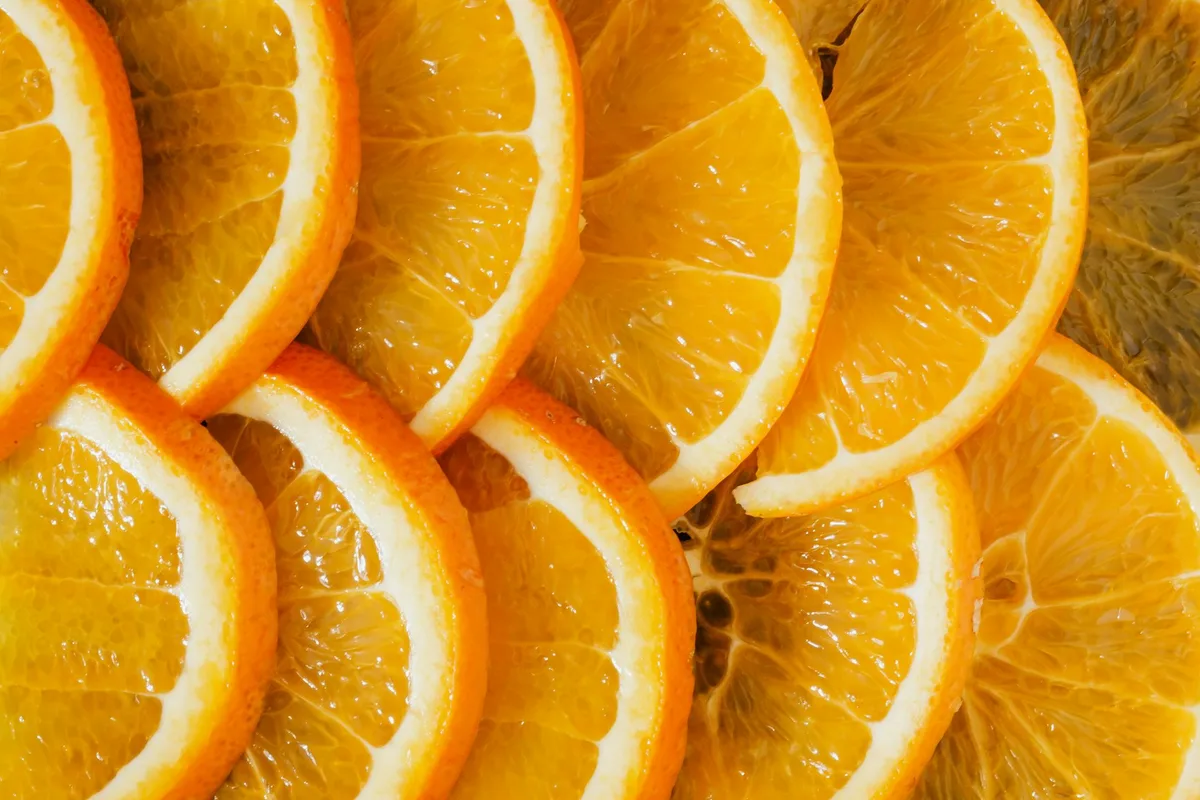
From the first hint of cold winter mornings, supermarkets and pharmacies begin heavy marketing to coax us to stock up on vitamin C to get through the cold and flu season.

But where did that idea come from? As we’ll see, it’s a story including a Nobel Prize winner, a book and some claims that don’t quite stack up.

Nobel Prize winner writes a book Linus Pauling was a chemist from the United States who won two Nobel Prizes.

One was in 1954 for chemistry , for his research into chemical bonds.

The other was in 1962 for peace , for his activism against nuclear weapons testing.

He was not a dietitian or an infectious disease physician.

But that didn’t stop him publishing a book on vitamin C and colds in 1970.

This book is widely credited with the skyrocketing sales of vitamin C at the time, a trend that continues today.

In this book, Pauling said we should consume high doses of vitamin C, around 1,000–2,000 milligrams a day for good health, and even more to prevent a cold.

His recommendations were said to be initially from one placebo-controlled trial in children on a ski camp in the Swiss Alps.

He then analysed a further four studies conducted after his claims.

But his interpretation of these studies has been widely criticised .

There were incorrect mathematical analyses, reliance on four poor-quality trials and the overemphasis of the study in children.

So, do mega-doses of vitamin C work? The short answer is not really.

Read the full article on The Conversation Australia ›

5News aggregated this summary from the outlet’s public feed. The full article, with all the context, is on theconversation.com — the content belongs to The Conversation Australia.


More from The Conversation Australia

See all ›

More in Science

See all ›