Politicians could save taxpayers $93b if they did this one thing less
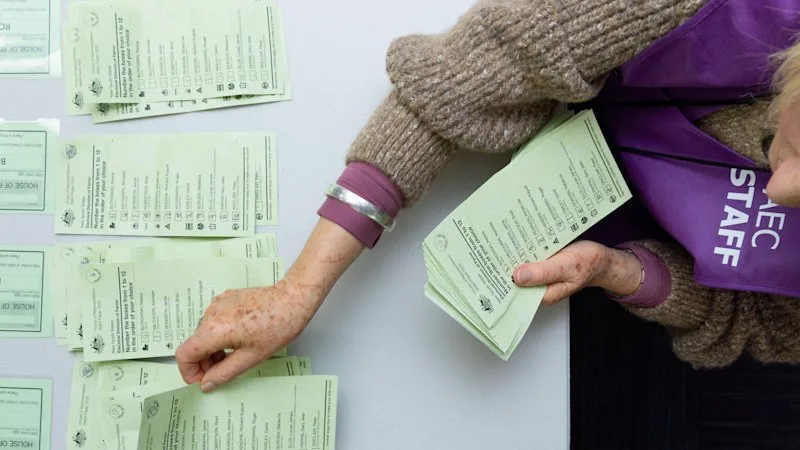
Three-year federal election cycles are costing the economy billions of dollars and leaving governments with too little time to pursue difficult reforms , according to a report calling for fixed four-year parliamentary terms.
The new study, released on Monday by advocacy group 4 Year Terms Australia, estimates the change could deliver between $81 billion and $93 billion in economic benefits over 20 years through better government decision-making, increased private investment and lower election costs.
Australia is an international outlier, the report argues, combining a maximum three-year term with an unfixed election date that allows prime ministers to call elections when politically advantageous. Only three of 87 democracies examined have parliamentary terms of three years or less, while Australia is the only country in the study combining a three-year term with short notice of an election.
The report estimates reducing election frequency would save about $5 billion over 20 years, while better policymaking could contribute another $14 billion to $26 billion. Increased business investment and reduced uncertainty could deliver a further $62 billion.
Business investment falls by an average 2.4 per cent in election years because of economic uncertainty, according to research cited in the report.
Marty Gray, founder of 4 Year Terms Australia, said the three-year term was a historical hangover from Federation.
“Australia’s short election cycle means governments underperform and the private sector underinvests,” Gray said.
He said a fixed election date had broad public and political support and should be legislated before a referendum on extending the term. The report also argues an election long weekend could help win over voters wary of longer parliamentary terms.
The report comes weeks after Labor’s National Conference committed to progress options for constitutional reforms including fixed, four-year terms for the House of Representatives and the Senate, the first time the party platform has made such a commitment as a stand-alone item.
Federal Parliament’s Joint Standing Committee on Electoral Matters is due to report in November on the length of the parliamentary term and the potential for fixed terms.
Gray also pointed to the increasing complexity of government, noting federal parliament now passes more than 10 times as much legislation per term as it did at Federation while sitting around half as many days per term as comparable Westminster systems including Canada, Britain and Ireland.
Bills debated in the Senate receive 45 per cent less debate time in the three months before an election, the report says.
”Australia’s short and variable election cycle means we spend nearly one third of our time in a lower productivity environment,” Mandala Partners director Madeleine McCure said.
“Governments are 25 per cent less likely to pursue meaningful reform in an election year. Business investment and economic certainty also drop.”
5News aggregated this summary from the outlet’s public feed. The full article, with all the context, is on www.brisbanetimes.com.au — the content belongs to Brisbane Times.