ASX set to edge up, Wall Street weighed down by tech stocks; Trump bought SpaceX shares
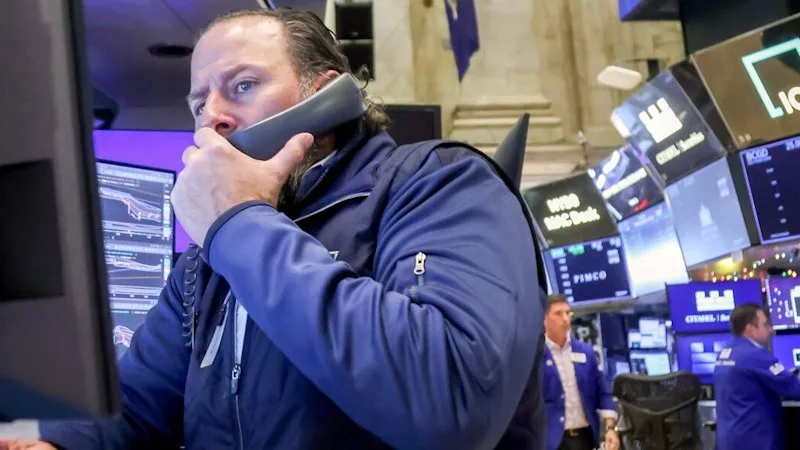
US stocks drifted to a mixed finish as the countdown ticks toward potentially market-moving events coming later in the week. The areas of the bond market that the US Treasury Department is trying to calm down, meanwhile, eased a bit.
The S&P 500 slipped 0.3 per cent and pulled a bit further from its all-time high set earlier this month. The Dow Jones Industrial Average added 140 points, or 0.3 per cent, and the Nasdaq composite fell 0.8 per cent.
The Australian sharemarket is set to edge higher, with futures at 6.05am AEST pointing to a rise of 9 points, or 0.1 per cent, at the open. The ASX added 0.5 per cent on Monday. The Australian dollar was trading at US71.47¢. Reporting season continues, with Coles and Woodside Energy among companies set to release results today.
Tech stocks led the way downward following big swings through the summer on worries that the frenzy around artificial-intelligence technology sent prices too high and that the huge demand for AI chips won’t be sustainable if they don’t produce enough profits.
Chip giant Nvidia has been a tremendous winner of the AI boom and become Wall Street’s largest and most influential stock because of it. It will deliver its latest quarterly earnings report on Wednesday, which could dictate the next big move for AI-related stocks.
Nvidia sank 2.9 per cent and was the heaviest weight on the S&P 500, where the majority of stocks rose. Drops of 5.8 per cent for Micron Technology and 2.6 per cent for Broadcom also helped drag the index lower.
All told, the S&P 500 fell 21.51 points to 7,652.86. The Dow Jones Industrial Average rose 140.15 to 53,417.16, and the Nasdaq composite sank 200.26 to 25,980.19.
The other big factor moving stocks recently has been the bond market, where longer-term Treasury yields climbed through the summer on worries about high inflation, huge government debts and other factors. High yields make it more expensive for everyone to borrow, not just the government, and have already pushed up mortgage rates and hurt the housing industry.
The US Treasury Department announced a surprise move last week to increase the size of planned buybacks of Treasurys, which could help contain the rise in yields for 10- and 30-year Treasurys. But analysts warned the move may have only a limited effect because of how small the size of the buybacks are and how they do not fix the fundamental problems of too-high debt for the US government and expensive oil prices because of the war with Iran.
On Monday, the yield of the 10-year Treasury eased to 4.70 per cent from 4.74 per cent late Friday and is back below where it was late Tuesday, before the US Treasury Department made its surprise announcement.
Helping to bring yields down on Monday was a drop in oil prices. Brent crude fell 2.3 per cent to $US90.54 per barrel.
Last month it zigzagged between $US72 and $US102 as hopes rose and fell that the United States and Iran could reach a deal that would allow oil tankers to freely exit the Persian Gulf again.
5News aggregated this summary from the outlet’s public feed. The full article, with all the context, is on www.brisbanetimes.com.au — the content belongs to Brisbane Times.