Tech giants are trying to obliterate privacy. Australia has a rare chance to take back part of their power | Lizzie O'Shea
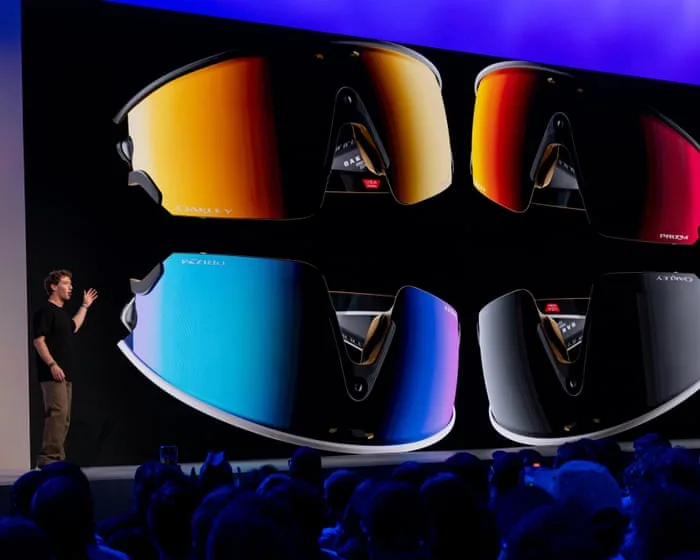
‘Pervert glasses’ are selling out, tick-a-box consent is broken and the spectre of surveillance is invading all aspects of our lives
A mere five years after the government first started talking about it, new changes have finally been proposed for the Privacy Act. They could not be more overdue and urgent. ‘Pervert glasses’ are selling out at Kmart, facial recognition technology is proliferating in our everyday environments, and microtargeting for advertising has filled our algorithms with nonsense and toxic junk.
Privacy reform is hugely popular : 93% of Australians say protecting personal information is important to them, and 87% say they are more concerned about their privacy than they were five years ago. But it is practically impossible for us to take personal responsibility for our data footprint, especially in the age of AI. Tick-a-box consent is a broken model. Australians rate protecting our personal information as their number one priority for AI regulation.
Granting strong legal protections over personal information is one of the most important and impactful ways to reshape technology in the interests of the many, not the few. Data-extractive business models give rise to all sorts of negative downstream consequences, such as extremist and misleading content, addictive algorithms and careless product design. Privacy law has the capacity to target reform at the source of the problem – the collection, use and storage of personal information. This is far more effective than playing whack-a-mole with the latest exploitative or harmful product built by some avaricious tech bro who has been encouraged by our permissive regulatory environment.
Australia’s privacy laws remain woefully out of date, with the majority having been drafted four decades ago. This latest tranche of reform, if implemented, will be a highly significant improvement, bringing us closer to similar jurisdictions such as Europe and California. At the centre is a fair and reasonable test. This shifts the onus away from individuals to make impossible decisions about consenting to endless terms and conditions, instead posing the question to companies: are you collecting and using this information in a way that is fair and reasonable?
Interestingly, the government has also opted to introduce certain provisions around the right to erasure. Giving individuals the right to request that data be deleted is hugely important in a context where many people have experienced a data breach involving information they may have shared years before, including with companies they no longer use. It’s also important if you have a particular reason for wanting to delete: for example, you are managing a problem with gambling, and you don’t want that industry or marketing companies to know that about you. There are some carve-outs and limitations in the current proposal, but this next little while offers a great opportunity to convince the government to tighten these up.
While this exposure draft is a welcome step, the government needs to do more. Well-designed rules mean nothing if they are not enforced.
5News aggregated this summary from the outlet’s public feed. The full article, with all the context, is on www.theguardian.com — the content belongs to The Guardian Australia - Australia News.