Your house may be a haven for wildlife. It’s time we design homes with nature in mind
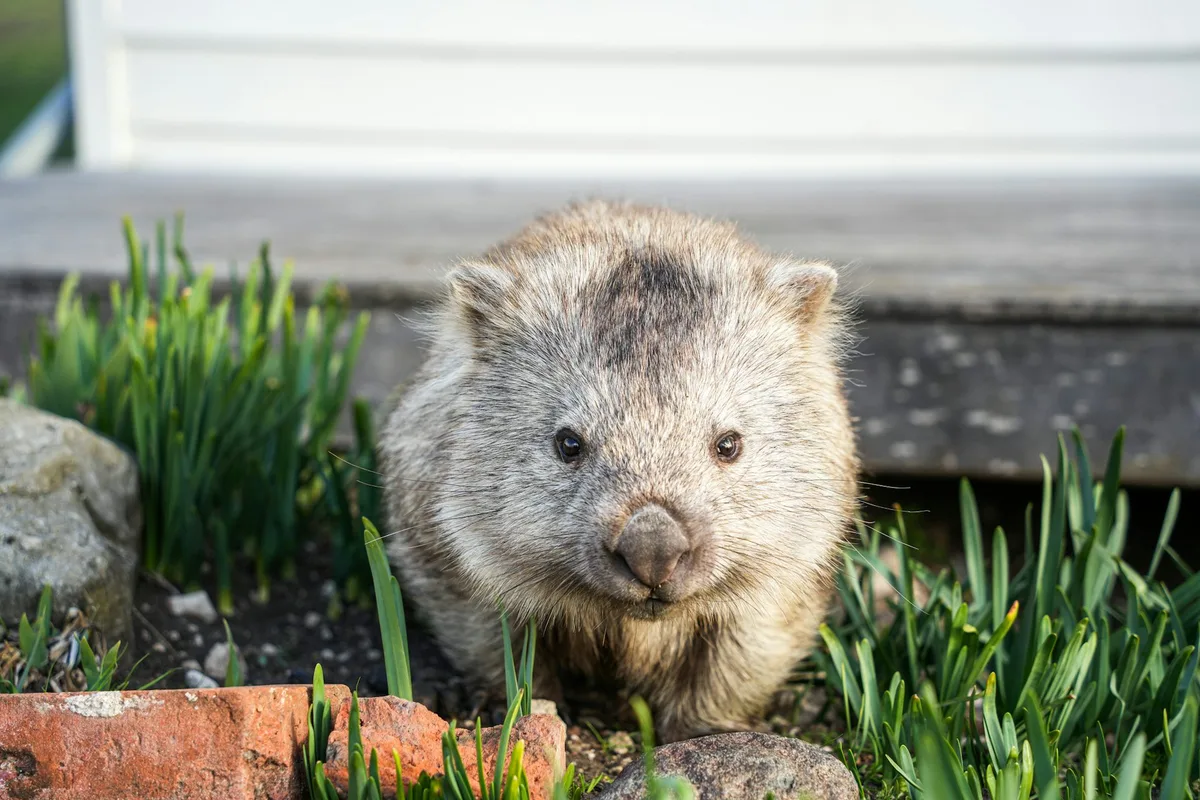
Tommy Chan/Getty Ever found a bare-nosed wombat napping under your house or heard a possum thumping around in your roof? You’re not alone.
Data from Wildlife Victoria reveals that about 2,400 native animals were reported by people as being in, on or under buildings over the past decade.
For our new study , we analysed these reports to find out which animals were taking up residence in buildings, which parts of dwellings they occupied and what they were doing there.
We uncovered 36 native species that either nest, forage or sleep in our homes, ranging from microbats sleeping in curtains to pacific black ducks nesting on balconies.
These encounters show buildings have become de facto habitat for many animals with whom we share our cities.
As Australia races to build more houses , we must design them with at-risk animals in mind.
Their survival may depend on it.
Unexpected residents Our new research reveals wildlife use almost every part of buildings.
Building cavities are the most popular option, with 40% of studied species taking up residence between walls.
We found 19% of animals in shelters and structures such as garages and 16% in external surfaces such as eaves, balconies and tops of roofs.
About 10% of animals were found living in interior rooms like bedrooms and kitchens, 9% in spaces under houses and 6% in utility services such as heaters and air conditioners.
These building features often serve similar functions to natural habitats.
Roof and wall cavities replicate the conditions of tree hollows.
Spaces under houses resemble sheltered ground or burrows.
5News aggregated this summary from the outlet’s public feed. The full article, with all the context, is on theconversation.com — the content belongs to The Conversation Australia.


