Thursday 15 October 2026 SourcesAbout🌓
🇦🇺 AU ▾
BREAKING
› ‘Live testing’: Communications Minister Anika Wells demands tech giants meet basic child safety standards› Russell Brand leaves court on first day of trial for rape and sexual assault› Australian politics live: Canavan denies he walked out on EU trade meeting; AEC warns about ‘emerging’ risk of AI in voting› Collingwood list manager Justin Leppitsch makes awkward ‘slip of the tongue’ on Jordan De Goey negotiations› Millwall’s Alex Neil criticised for his comments on stoppage for alleged racism› Australia news LIVE: Butler vows health rebate bill will return to Senate after Coalition, Greens block legislation; Wells to introduce Digital Duty of Care to parliament today› The IM5 offers serious value for money› Remote NT women pulling together to tackle domestic violence crisis› Manchester City v Paris Saint-Germain: Champions League – live› Eight US states sue OpenAI over ChatGPT harm to young› ‘Live testing’: Communications Minister Anika Wells demands tech giants meet basic child safety standards› Russell Brand leaves court on first day of trial for rape and sexual assault› Australian politics live: Canavan denies he walked out on EU trade meeting; AEC warns about ‘emerging’ risk of AI in voting› Collingwood list manager Justin Leppitsch makes awkward ‘slip of the tongue’ on Jordan De Goey negotiations› Millwall’s Alex Neil criticised for his comments on stoppage for alleged racism› Australia news LIVE: Butler vows health rebate bill will return to Senate after Coalition, Greens block legislation; Wells to introduce Digital Duty of Care to parliament today› The IM5 offers serious value for money› Remote NT women pulling together to tackle domestic violence crisis› Manchester City v Paris Saint-Germain: Champions League – live› Eight US states sue OpenAI over ChatGPT harm to young
Science

Hordes of yabbies are trashing rivers in Africa. How did this happen?
The Conversation Australia ·
Hordes of yabbies are trashing rivers in Africa. How did this happen?

alekseystemmer/Getty Every year, the upper Zambesi River breaks its banks and spreads across the wide Barotse floodplains in Zambia.

These seasonal wetlands are famed for their exceptional richness of species, from birds to unique cichlid fish.

But there are signs of profound upheaval.

Native fish and invertebrate populations have fallen, river plants are being devoured and river banks hollowed out from within.

Every Australian knows common myna birds are bad, rabbits are worse and feral cats kill native animals unchecked.

But how do we decide what makes an introduced species “good” or “bad” – and will we ever concede that some species are here to stay? The culprit will be familiar.

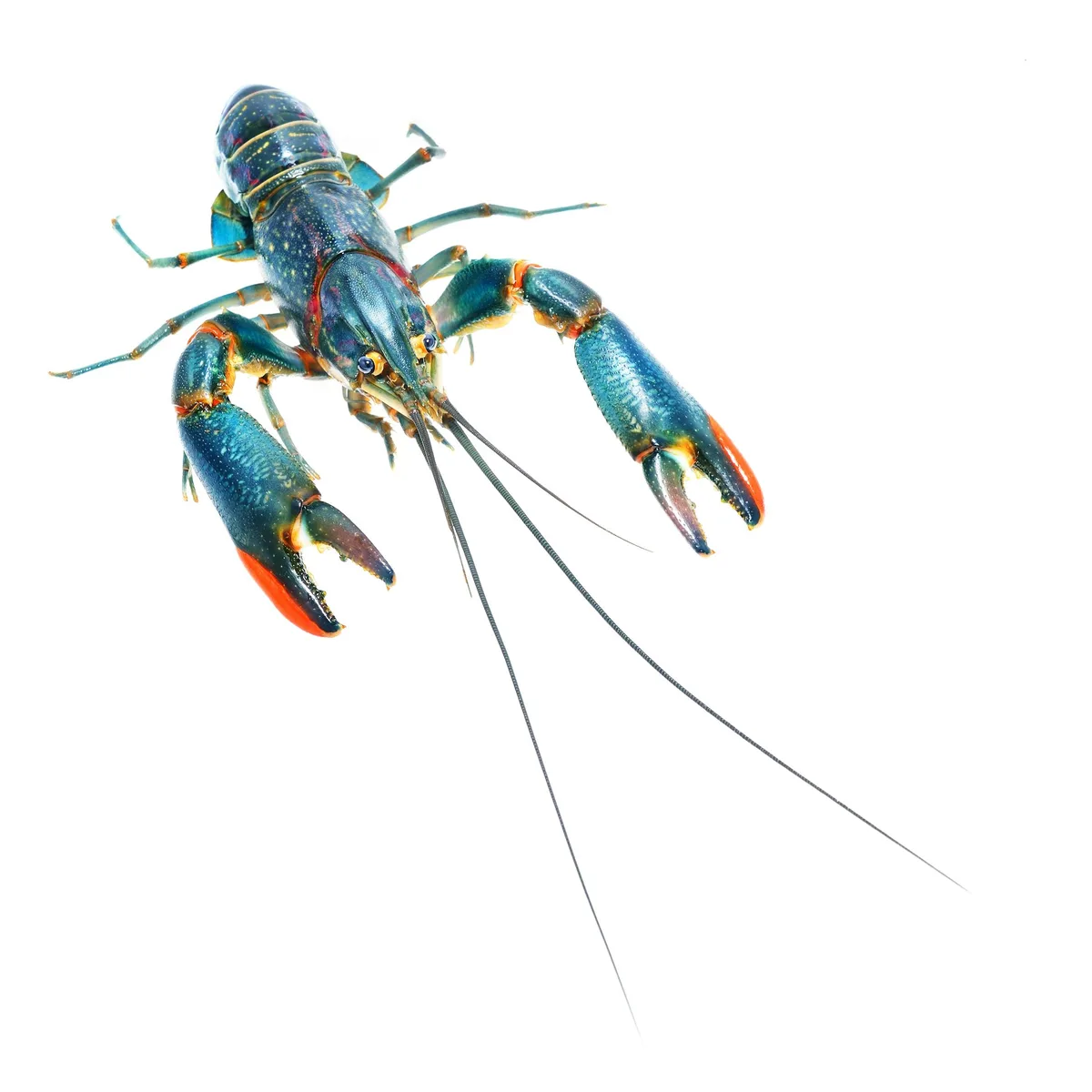
As the flood eases and the dry season begins, the shallow muddy pools left behind teem with redclaw crayfish ( Cherax quadricarinatus ), a freshwater crayfish native to the tropics in northern Australia and Papua New Guinea.

Many Australians call these “yabbies”, as they do other medium-sized Cherax crayfish.

It might seem bizarre that an Australian species has become an invasive pest overseas.

The flow of introduced species usually goes the other way.

But these yabbies were forged in the intense crucible of the Australian climate.

Unfortunately, they may be all but unstoppable in the Zambesi – and many other water bodies around the world.

Built for a harsh landscape Over 100 species of freshwater crayfish are found in Australia .

Many are remarkable .

Read the full article on The Conversation Australia ›

5News aggregated this summary from the outlet’s public feed. The full article, with all the context, is on theconversation.com — the content belongs to The Conversation Australia.


More from The Conversation Australia

See all ›

More in Science

See all ›