Japan lifts interest rates to counter 'shocking' inflation
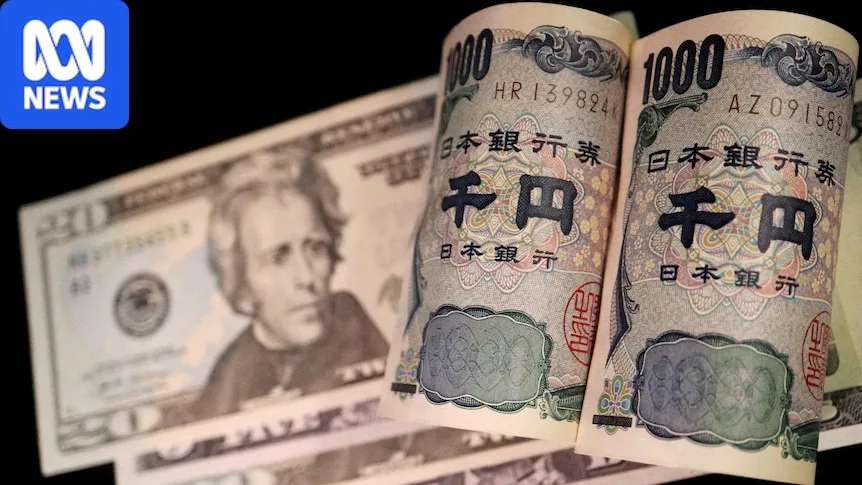
The Bank of Japan today increased rates to 1.25 per cent, in a widely anticipated move to counter inflation.
It comes on the back of a rate rise in June, which bumped rates up to 1 per cent.
But after almost 30 years of 0 per cent interest rates, things are changing.
The Bank of Japan today increased rates to 1.25 per cent in a widely anticipated move to counter inflation fuelled by high energy costs.
It comes on the back of a rate rise in June, which bumped rates up to 1 per cent, the highest rate Japan has seen since 1995.
Another rise, just three months later, marks the shortest time between increases since 1990.
In announcing the decision, the Bank of Japan pointed to the situation in the Middle East, growing demand for AI products, and exchange rate fluctuations.
Inflation in Japan is currently sitting at close to 2 per cent, but the central bank is concerned about it potentially rising further.
While that may seem low by Australian standards, macroeconomist Fujiwara Ippei, a professor at Keio University and the University of Tokyo, said even 2 per cent inflation was "maybe shocking" for some people in Japan.
"Two per cent is not so large, but we are so used to 0 per cent," Professor Fujiwara said.
Interest rates in Japan were aggressively cut in the 1990s in the wake of the country's asset bubble burst in the 1990s and the period of low growth that followed.
In 2013, the Bank of Japan set a goal of a stable 2 per cent inflation to pull the country out of deflation. A range of monetary policies, including increased money supply and negative interest rates, were used to encourage spending.
But the current inflation is being driven by supply shocks — rising import and production costs.
Inflation started increasing in 2021 on the back of the COVID-19 pandemic and then the wars in Ukraine and the Middle East, at times edging toward 3 per cent. In 2024, the Bank of Japan began a program of gradual rate rises to "normalise" the economy.
5News aggregated this summary from the outlet’s public feed. The full article, with all the context, is on www.abc.net.au — the content belongs to ABC News Australia - World.