Bondi library returns book How to Sell a Genocide to shelves after State Library ‘outlines the law’
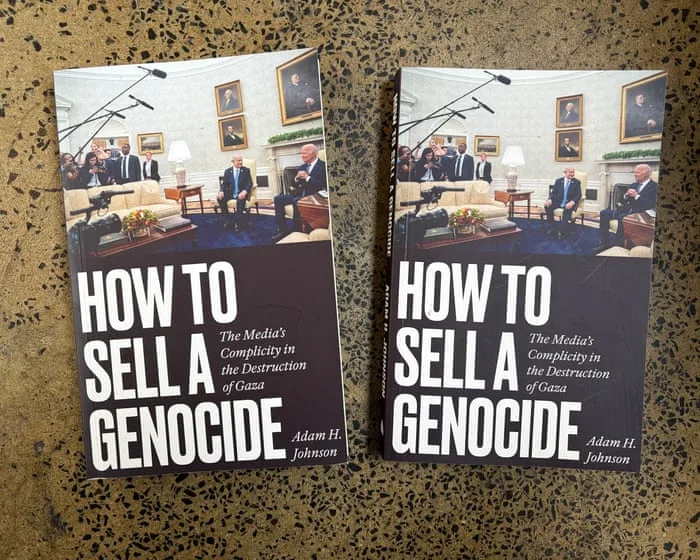
Book was removed for review earlier this month following complaint but reinstated after petition and State Library letter to Waverley council
A Sydney library has returned to its borrowing shelves a book critical of Israel called How to Sell a Genocide following a public campaign and an intervention from the State Library of New South Wales.
Waverley library removed the book “for review ” earlier this month after the Jewish news outlet JWire reported it had approached the council.
JWire said a survivor of December’s antisemitic attack at Bondi , during which 15 people were killed, saw How to Sell a Genocide on the “new release / hot item” shelf and wrote on Facebook that the display was distressing for survivors and bereaved families.
Guardian Australia was unable to locate the Facebook post. Waverley library at Bondi Junction is in the same council area as Bondi beach.
A staff member at the council-operated library on Friday confirmed the book was back on its shelves. Waverley council was contacted for comment.
The State Library had written to the council reminding it of its obligations under guidelines issued by the Library Council of NSW and the Library Act “which was amended in 2026 to reinforce their independence to develop and maintain collections”.
“The State Library of NSW supports free and equitable access to information,” a spokesperson said.
“The library acknowledges that some books and materials may not align with everyone’s personal views, experiences or beliefs, but supports the right of individuals to make their own choices about what they read, view and access.
“The library has outlined to Waverley council the law and policy relevant to this situation.”
Ramia Abdo Sultan, a lawyer, helped organise a change.org petition calling for the book to be returned to the shelves. She said in a social media post on Thursday that Waverley library’s manager had notified staff that was happening.
“There are 21 people so far queued up in a waiting list for that book,” Abdo Sultan, a board member of the Australia Palestine Advocacy Network, said.
“We acknowledge and respect the grief and trauma experienced by victims of violence and antisemitism,” it stated.
“However, individual distress, offence or political disagreement should not determine what the broader public is permitted to access through a public library. Readers should be afforded the opportunity to access books freely and form their own opinions on the contents of the book.”
5News aggregated this summary from the outlet’s public feed. The full article, with all the context, is on www.theguardian.com — the content belongs to The Guardian Australia - World.