'Massive' gaps and a new frontier facing women's health
A woman in her 20s wakes up at 4am to go through her skincare, gym and supplement regime, and makes breakfast from scratch after being told by influencers she must.
She skips social events, performs another extensive routine before bed and then lies awake at night stressing about whether she's doing enough.
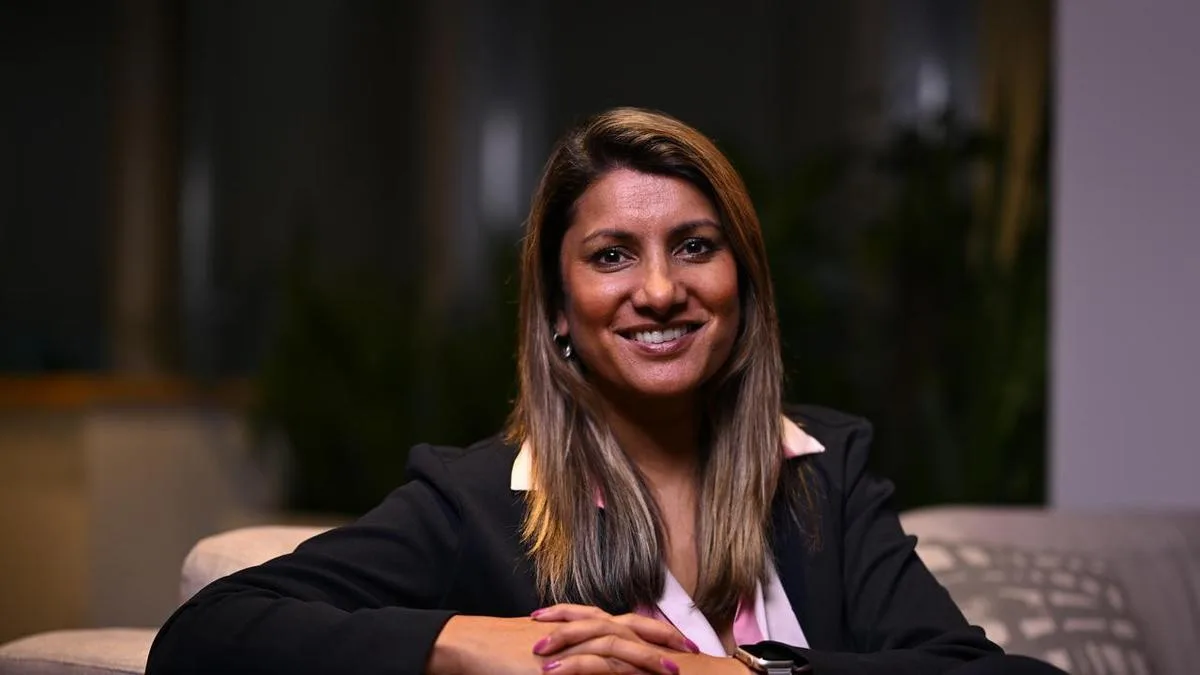
This is a new frontier facing general practitioners when it comes to women's health, Amandeep Hansra told an audience in Sydney on Tuesday.
"What we have now almost created is a monster where we are putting all this information out there for us to try and absorb," she told the Women's Health and Wellbeing Summit.
"And the problem is there is no evidence that any of that is going to fix .... quality of life over that period."
Dr Hansra, a practising GP in Sydney who has shaped digital health strategy, recently won the Australian Medical Association president award for innovation and digital health leadership.
"Our job as GPs now ... it is about simplifying the plethora of information that is thrown at them," she said.
The "massive" health gaps that women face in 2026 echoed throughout the summit, which held discussions on longevity, intersectionality, innovation and weight loss drugs.
Women are twice as likely to get dementia or Alzheimer's as men, 20 women die from a heart attack every day, and although women live longer than men they spend 25 per cent of their lives in poor health, the room was reminded.
At the same time, two in three Australian women say they have been dismissed or disbelieved by health professionals.
Neurologist Rowena Mobbs said there was "very little understanding" about how women's hormones influenced dementia, despite it being the leading cause of death in women.
"America now has trained sub-specialists in women's neurology, we're not at that stage in Australia, we don't have a specific training program for it," she said.
Gynaecologist and director of Women's Health Road in Sydney, Talat Uppal, said one quarter of women will be affected by heavy menstrual bleeding in their life.
"But it hasn't made it to any of the high-end policies or strategic funding, so I think that is a massive gap," she said.
5News aggregated this summary from the outlet’s public feed. The full article, with all the context, is on www.perthnow.com.au — the content belongs to PerthNow.