People are more likely to ditch the car and use an e-bike if they feel confident and safe
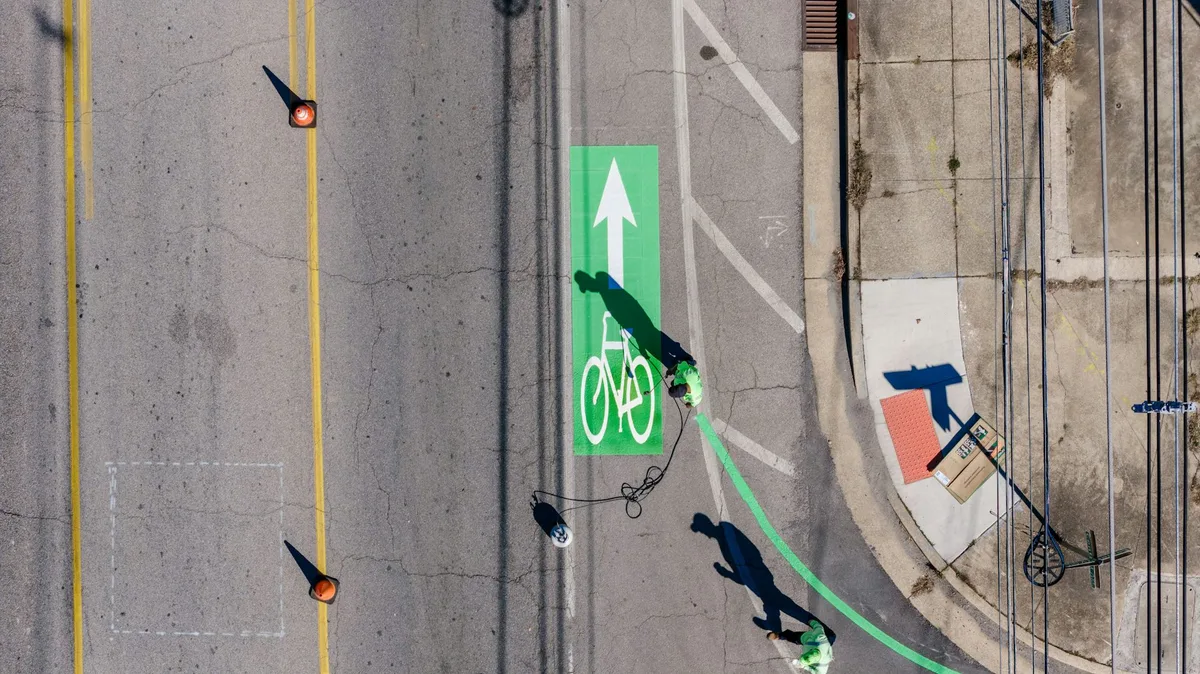
Finally, Australians are being encouraged to swap four wheels for two.
Governments are investing in cycling infrastructure , and calls for e-bike subsidies are growing louder.
But our research suggests there’s a missing piece in this puzzle.
Giving people access to an e-bike is important.
Building safer cycling infrastructure is fundamental.
Yet neither is likely to change travel behaviour on its own.
If we want people to leave their cars at home, they also need the skills, confidence and support to ride.
That was the clearest lesson from our study of 42 Western Sydney residents who took part in an eight-week supported e-bike program.
The bike opened the door – but it was training, guided rides and social connection that gave people the confidence to walk through it.
Interested in cycling, but intimidated Transport is Australia’s fastest-growing source of emissions , while car dependence places increasing financial pressure on households and contributes to congestion, inequity and poorer health outcomes .
For many policymakers, e-bikes appear to offer a promising solution.
Unlike conventional bicycles, e-bikes make longer distances, hills and hot weather much easier to manage.
They can replace short car trips , connect people to public transport, improve health and reduce transport costs .
Around the world, governments have responded with subsidy programs designed to make e-bikes more affordable.
5News aggregated this summary from the outlet’s public feed. The full article, with all the context, is on theconversation.com — the content belongs to The Conversation Australia.