Everything we know about Nepal's catastrophic floods
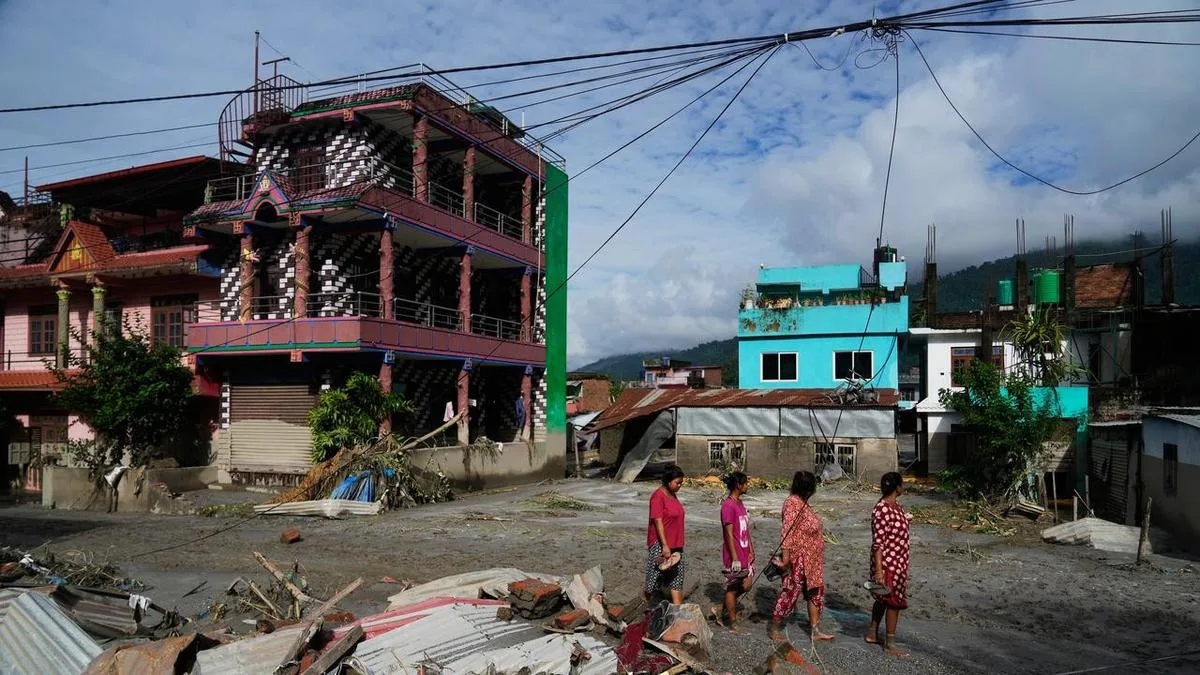
* An ice avalanche caused catastrophic flash floods across Nepal and Tibet after the region was struck on Wednesday
* The flooding was triggered by a glacial collapse and debris flow, which prompted seismic activity
* At least 390 people have been killed and nearly 1400 people are still missing
* 22 people are missing from three separate hiking tours, 15 of which were travelling with US-based tour company Himalayan Glacier Adventures
* A group of 14 family friends were on the Himalayan Glacier Adventure tour, all Hindu-Australians completing a sacred pilgrimage
* More than 300 other foreign nationals are also missing, along with more than 1000 Nepalese
* Additional personnel to support Australians affected are being sent to the region
* $5 million of aid has been pledged to Nepal by the Australian government
* Nepalese-Australian families gathered for prayers and held a minute's silence for those lost to the floods
* "People would have seen the footage, which is a truly horrific event. At this point, Nepal is a developing country. It doesn't have the resources that an event like that would have in Australia, so information is difficult." - Prime Minister Anthony Albanese
* "We are urgently working to identify how many Australians have been in the region and to confirm the welfare of any Australians who are not accounted for." - Foreign Minister Penny Wong
* "What makes this disaster unusual is it was so sudden, coming without warning. I've heard people were notifying neighbours to leave before the flooding hit, but because there was no rain leading to the flash floods, many of these warnings weren't taken seriously." - Dr Soniya Rijal, a Nepalese postdoctoral research associate at the University of Sydney
* "The gravity of the situation is worse now because whole towns have swept away. Now there is nothing, it's just a mudslide." - Australian Nepalese Multicultural Centre vice president Keshav Kadel
* "With global warming, there is an expectation similar patterns of disasters will recur. We can benefit from the implementation of a warning system, similar to those triggered for tsunami warnings after 2004's tsunami." - University of Sydney Associate Professor Nader Naderpajouh
5News aggregated this summary from the outlet’s public feed. The full article, with all the context, is on www.perthnow.com.au — the content belongs to PerthNow.