Seatbelt pretensioners: What are they and how do they work?
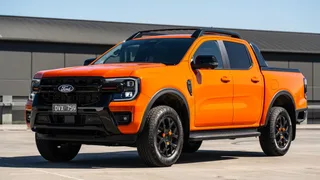
Chinese brand GAC came under fire from Australia’s vehicle safety watchdog earlier this week when it announced a lower-priced version of its Emzoom small SUV that removed seatbelt pretensioners for front and rear occupants .
While cutting $4000 from the Emzoom’s starting price to $22,990 drive-away, the cost-saving measure was called out by Australasian New Car Assessment Program (ANCAP) CEO Carla Hoorweg.
“The omission of basic safety features like seatbelt pretensioners is a retrograde step,” Ms Hoorweg said in a statement provided to CarExpert.
“Seatbelt pretensioners are not new or emerging technology. They have been commonplace in new vehicles since the mid-1990s.”
🚘 Don’t just read about your next car. Find a great deal with CarExpert.
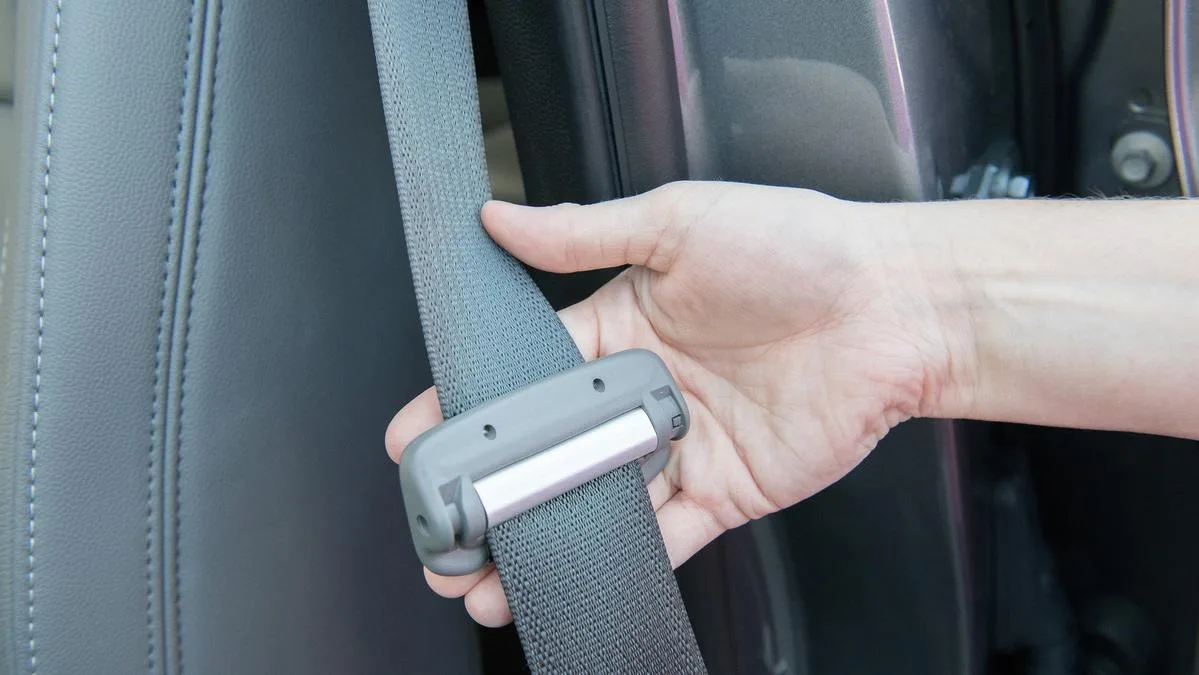
Seatbelt pretensioners rapidly tighten an occupant’s seatbelt in the early stages of a crash, removing slack and holding the body more securely in position to reduce the risk of injury.
Slack can be present because of loose clothing or normal movement permitted by the seatbelt’s inertia-reel mechanism.
Pretensioners work in combination with a vehicle's airbags, many using the same sensors, to trigger a small pyrotechnic charge to rapidly tighten the seatbelt when a crash is detected.
They work faster than a human can blink (10-15 milliseconds) and are one-time-use devices. As they rely on an explosive charge to instantly retract the belt, once a pre-tensioner deploys during an accident, it cannot reset itself.
The entire assembly must be replaced, which is why your seatbelt might lock up permanently after a seemingly moderate collision.
They are often paired with a separate device known as a load limiter. After the pretensioner has tightened the belt, the load limiter allows a controlled amount of webbing to spool out once forces reach a certain level, helping reduce loads on the occupant’s chest.
While not specifically mandated as individual items under the Australian Design Rules (ADRs), front seatbelt pretensioners have become ubiquitous on new cars sold in Australia as part of broader performance-based occupant-protection requirements, including ADR 69.
Rear-seat pretensioners are less universal, with some vehicles offering them only for front-seat occupants.
According to the US National Highway Traffic Safety Administration (NHTSA), belted front-seat occupants in passenger cars, crossover SUVs and people movers equipped with pretensioners and load limiters had an approximately 12.8 per cent lower fatality risk than those in otherwise similar vehicles without the technologies.
5News aggregated this summary from the outlet’s public feed. The full article, with all the context, is on www.perthnow.com.au — the content belongs to PerthNow.