1 in 4 NFL players — or more — developed brain disease CTE, new study suggests
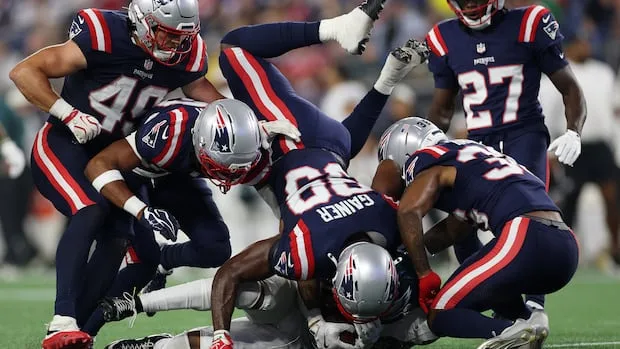
At least one in four former National Football League (NFL) players had evidence of chronic traumatic encephalopathy, or CTE, at the time of death, according to a new study from one of the U.S. research teams at the forefront of studying the devastating brain disease.
CTE — which can only be confirmed after death — is associated with repeated head trauma, often from contact sports. It can lead to debilitating symptoms ranging from severe memory loss and balance problems to major personality changes, including depression, aggression and thoughts of suicide.
A growing body of research has already shown exceptionally high rates of the disease in the donated brains of former NFL players. But researchers are quick to note that brain banks skew heavily toward people who experienced concerning symptoms during life and wanted their brains studied after death.
The new research, from Mass General Brigham, Boston University and the Concussion & CTE Foundation, aimed to estimate the prevalence of CTE among all NFL players.
"We were unfortunately both surprised but saddened to see that the minimum rate was so alarmingly high," said lead author Dr. Daniel Daneshvar, chair of Physical Medicine and Rehabilitation at Mass General Brigham and an associate professor at Harvard Medical School.
The researchers identified all former players who died between 2008 and 2021 — before the rise of soft-shell helmet additions that can reduce the severity of head impacts — including 235 who chose to donate their brains.
More than nine in 10 of the donated brains showed evidence of CTE, according to the paper published Tuesday in the British Medical Journal .
CTE ruins lives but can’t be confirmed until you’re dead. Canadian scientists are trying to change that
Claude Lemieux's brain will be donated to Boston University's CTE Center, his family says
To account for the 878 players who did not donate their brains, researchers calculated a range of possible CTE prevalence. The most conservative estimate was about 25 per cent, assuming the confirmed cases among donors were the only instances of disease among the entire cohort of players.
5News aggregated this summary from the outlet’s public feed. The full article, with all the context, is on www.cbc.ca — the content belongs to CBC Health.