Afghan advocates flag five years of Taliban rule
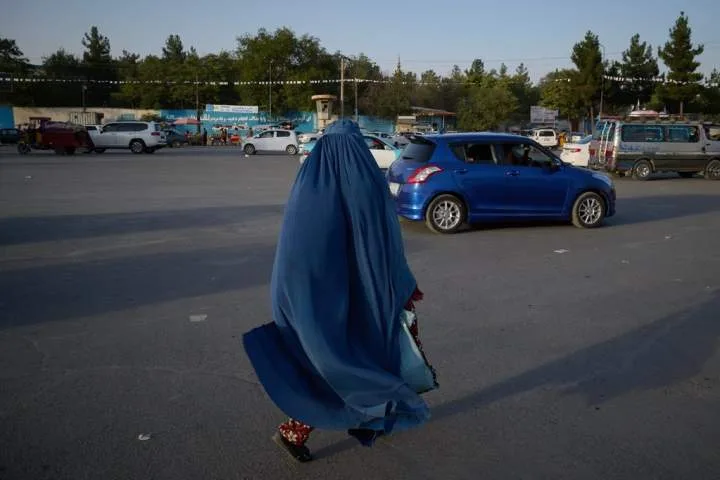
OTTAWA – Five years after the Taliban capture of Kabul, advocates are urging Canadians not to ignore the oppression of women in Afghanistan.
“From outside, it’s possible for the world to take action,” said Murwarid Ziayee, senior director of the Calgary-based charity Right to Learn Afghanistan. She was raised in Afghanistan.
“Why (is it) we Afghan women should bear the burden of being resilient and fighting and looking for opportunities?”
The Taliban regained control over the Afghan capital on Aug. 15, 2021, prompting chaotic scenes of hordes of people clinging to foreign military jets in desperate attempts to escape.
Canadian troops spent 13 years in the country as part of a NATO stabilization mission. More than 40,000 Canadian Armed Forces personnel were deployed to Afghanistan in response to the attacks of Sept. 11, 2001.
Many were based in Kandahar, a particularly volatile region where western forces sought to push out the Taliban.
Some 158 Canadian soldiers died during the mission, along with civilians such as journalist Michelle Lang. Others died at home by suicide and many suffered physical and psychological injuries.
Canadian troops and aid organizations sought to empower Afghan girls by opening schools and helping make space for women in sports, politics and media.
The Taliban retook the country after the United States and other NATO nations withdrew following two decades of war.
Though the Taliban pledged to allow women access to education and employment in line with its interpretation of Islamic principles, the regime immediately excluded women from virtually all facets of society.
The Taliban has banned girls from schooling beyond Grade 6 and barred them from a growing list of jobs. Afghan women and girls are also forbidden from entering parks, gyms and sports centres.
A ban on medical education has left a dwindling number of women who can examine and treat other women — in a country where strict cultural norms generally forbid men from performing those tasks.
Some 2.4 million girls are barred from education and Ziayee said many don’t even reach Grade 6 due to financial constraints.
The United Nations says global sanctions and natural disasters have led to economic calamity and critical levels of child malnutrition in some regions of the country. UNICEF says there has been a sharp increase in child marriage in Afghanistan.
5News aggregated this summary from the outlet’s public feed. The full article, with all the context, is on globalnews.ca — the content belongs to Global News Politics.