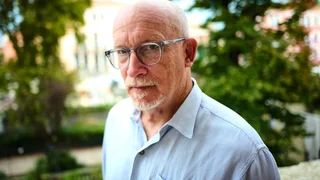
Preston Manning co-chairing virtual public forum on grievances with Ottawa ahead of Alberta referendum
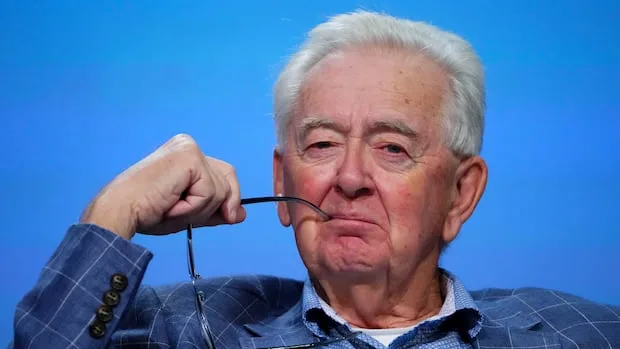
Preston Manning is stepping into the fray ahead of Alberta's fall referendum by headlining a public forum tackling Western Canada's long-standing grievances with Ottawa.
The virtual sessions, set for Sept. 19 and 20, are to be co-chaired by Manning, the former Reform Party leader, and former B.C. premier Gordon Campbell.
The event comes as Alberta Premier Danielle Smith is set to put 10 questions to voters on Oct. 19, including whether they want the province to remain in Canada or hold a second, binding referendum on separation.
Manning said the events are meant to be educational and engage voters without sinking into partisan bickering that often characterizes public meetings.
"This is an important referendum, and it's important that people, no matter what their views are, that they get out and vote on it," he said in an interview Thursday.
He said it will be different than other public advisory panels that approached the same issues, such as the Alberta Next panel under Smith, and the previous Fair Deal panel on which Manning served.
"They're useful exercises, [but] those tend to end up being partisan. You get your own bunch being in the majority of the meetings," he said.
Carney calls Preston Manning's Western independence comments 'dramatic'
He added it's not about championing one view over another, with speakers taking turns presenting various options.
The assembly plans to hold a follow-up session in October and create recommendations after Alberta's vote. Then it will share its proposals with policymakers across Western Canada.
Manning said concerns about the role of the federal government are shared outside of Alberta, so the assembly's conclusions would be relevant to other provinces.
He said the assembly is meant to be a democratic exercise without partisan wrangling.
"People don't see that process operating in legislatures today. They don't see it operating in the House of Commons. What they see there is instant polarization on issues," he said.
"Maybe it can demonstrate, particularly to young people who are losing faith in democratic institutions, that it is possible to resurrect that democratic procedure and that democratic ethic."
5News aggregated this summary from the outlet’s public feed. The full article, with all the context, is on www.cbc.ca — the content belongs to CBC News.