Trump, Elbows Up and Why Nationalism Needs Nuance
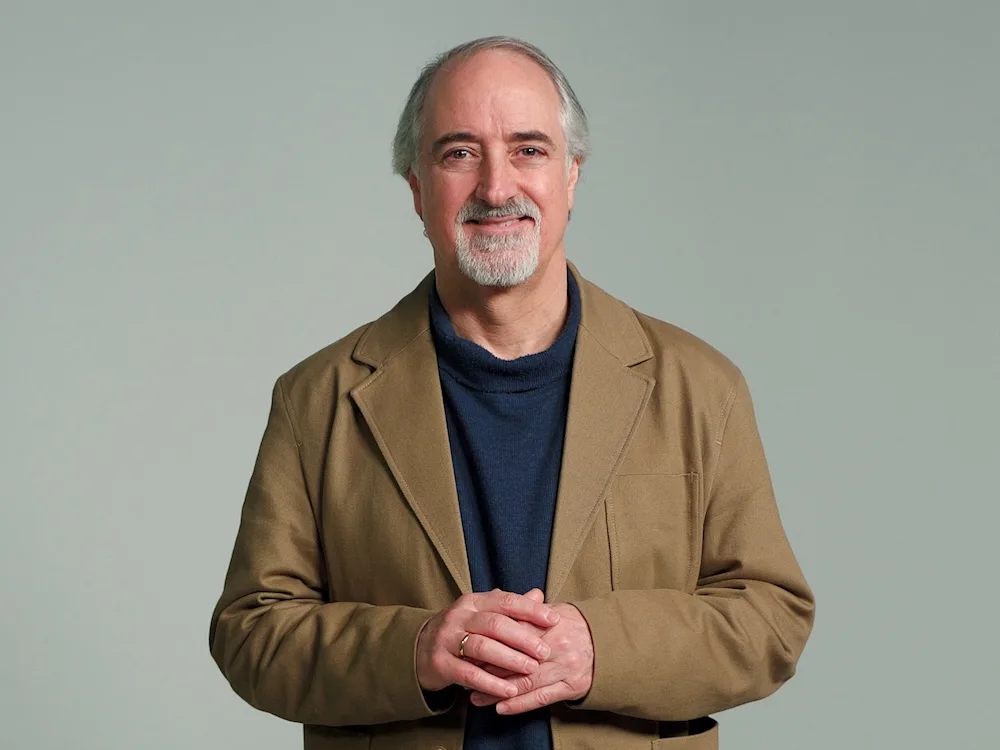
[Editor’s note: Max Cameron is a political scientist at the University of British Columbia. His new book, ‘ Divided We Fall ,’ considers how we can resist the pressures of political polarization while building a stronger national identity. Ahead of his public talk Friday on uniting against the Trump administration , part of the Vancouver Institute’s fall 2026 lecture series , The Tyee sat down with Cameron to discuss the nuances of good citizenship in a tumultuous political landscape.]
Political scientist Max Cameron was still in the earliest stages of writing his new book , Divided We Fall: How We Can Resist Polarizing Pressures and Strengthen Our Identity as Citizens , when Donald Trump was re-elected.
The author or editor of more than a dozen academic publications, most of which concern democracy, Cameron was more than a little concerned about Canadian democracy back then. Specifically, “how we depolarize; how we resist the contagion that was coming from polarization south of the border into Canadian politics,” he told The Tyee.
“If you look at the opinion polling, rising polarization was one of the things that most concerned Canadians,” he said.
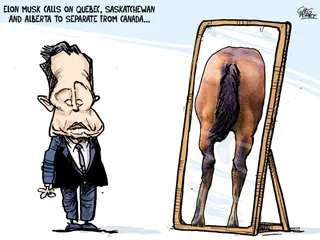
And then, suddenly, it wasn’t. The tariffs. The trade war. The 51st state. President Trump was attempting to destabilize the country, and all of a sudden polarization was the least of what the United States was threatening to bring across the border. Neither was it something we were dealing with. The “elbows up” movement replaced — and, dare I say, erased — the U.S.-flavoured political polarization that Pierre Poilievre and the federal Conservatives were counting on to sweep them into power.
Amid threats of annexation, Canadians changed course, practically joining hands (or, in this case, elbows) and quite literally meeting in the middle to elect Mark Carney’s Liberals.
“Everybody was rallying around the flag,” Cameron said. “Canadians started to show precisely the thing I was trying to argue, which was: we need to be both capable of respectfully and civilly disagreeing with one another and reaching out across partisan lines, being open to hearing other perspectives and not getting stuck in our bubbles.”
But Cameron is not naive. The national fervour that Carney was able to foster, and harness, is nice, but the threat of division is not gone for good. Furthermore, patriotism and national pride can be problematic too.
Nationalism is having a moment in Canada. Many believe that’s a good thing. Others, however, see polarization and nationalism as opposite sides of the same loonie. Is there a middle ground?
In a wide-ranging interview held just a week after Cameron’s book release, the University of British Columbia political science professor and I tried to find it.
The Tyee: Many Canadians, you wrote in ‘Divided We Fall,’ are ‘patriotism-hesitant.’ When I read that, my first thought was: Why do you hate me, Max?
Max Cameron: No, that’s me too. [Laughs.] I’m patriotism-hesitant, although less hesitant now than I was before.
Aren’t we all. Nationalism is having a moment, rising around the world, being rebranded as good, even.
5News aggregated this summary from the outlet’s public feed. The full article, with all the context, is on thetyee.ca — the content belongs to The Tyee.