How weaving helped invent modern computing — and is shaping its future
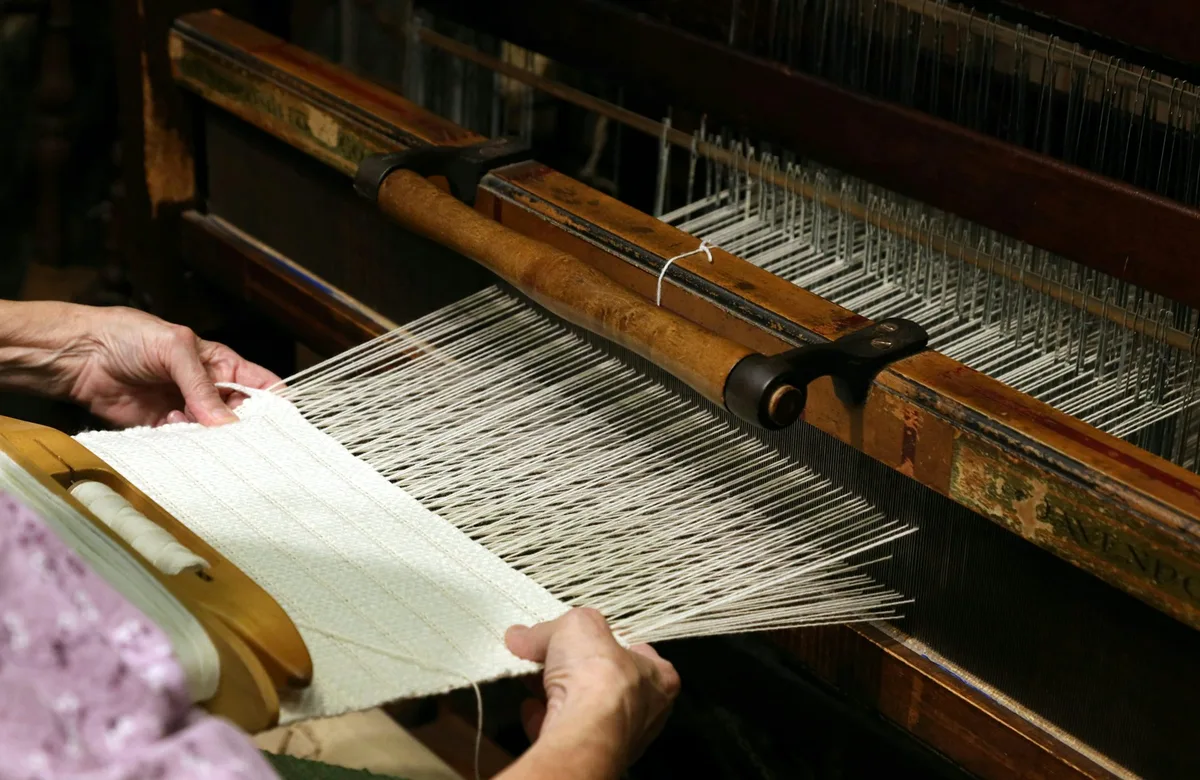
As Gen Z embraces textile crafts as a screen-free pastime, it is rediscovering a practice that once helped shape computer programming and is now driving innovations. (Unsplash) Weaving is an ancient craft that is still practised as a hobby by many people around the world.
In recent years, it has found new life as more people have returned to hands-on making as a way to slow down, reconnect with materials and step away from screens.
During the COVID-19 pandemic, many people turned to crafts and DIY hobbies — including sewing, baking and gardening — to support their well-being.
I remember trying to buy a sewing machine in 2021 and finding none available in stores.
More recently, textile crafts have become popular among Gen Z, with so-called “grandma hobbies” such as crochet, knitting and quilting seeing a resurgence.
These slow, tactile, screen-free pastimes have become a form of digital detox from screen burnout.
It has also become a social media trend to share handmade projects through #WIP (“work in progress”) posts as part of the cozy “grandmacore” lifestyle aesthetic.
What most hobbyist weavers may not realize, however, is that their craft helped shape modern computing.
Today, makers are once again using textiles to imagine the future of technology.
Hobbies can bring joy, wellbeing and focus to our busy lives, but so many of us don’t have one.
If you’re ready to replace scrolling with stitching, or hustle with horticulture, The Hobby Starter Kit (a new series from Quarter Life ) will help you get going.
The invention of the jacquard loom In 1804, a French weaver named Joseph-Marie Jacquard patented a loom that could weave intricate patterns using punch cards — paper cards with encoded holes.
Once they pass through the loom, the presence or absence of a hole tells the loom which warp thread to raise or lower, acting as the earliest form of binary code programming.
Weaving that once required a master weaver and an assistant could now be done by craft hobbyists.
5News aggregated this summary from the outlet’s public feed. The full article, with all the context, is on theconversation.com — the content belongs to The Conversation Canada.