More Time Needed to Get Gas Royalties Right, Nation Says
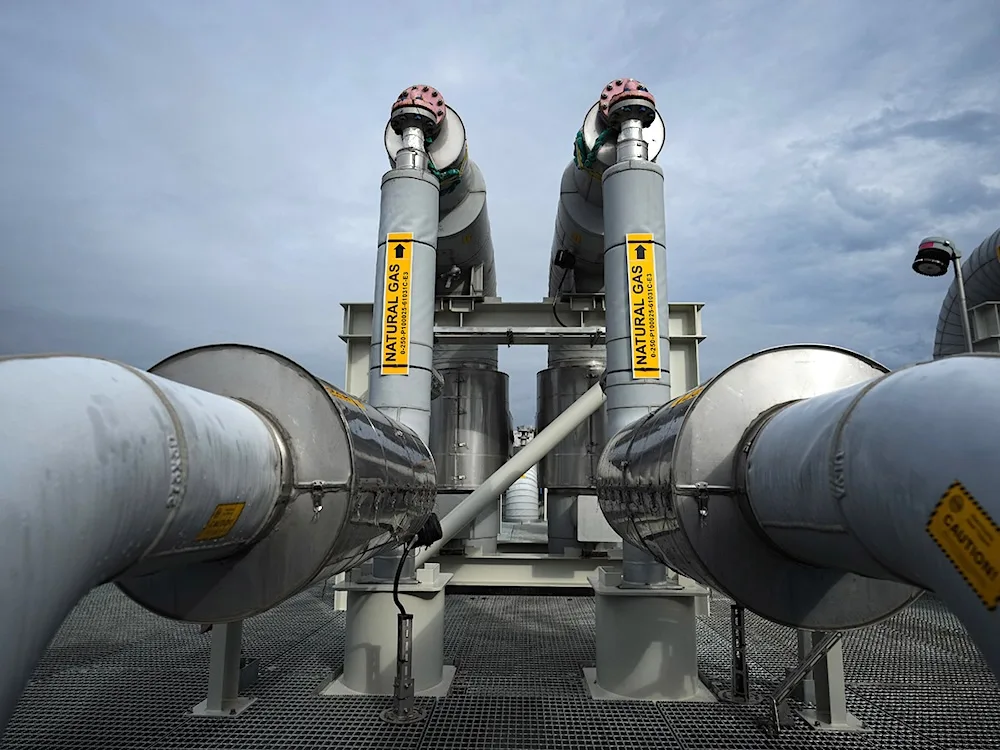
The British Columbia government needs to halt plans to implement a new oil and natural gas royalty regime until the details can be independently assessed to make sure they are fair, says Roland Willson, Chief of the West Moberly First Nations.
“Somebody has to oversee what’s going on here because I don’t have faith that the province is doing a good job on this,” Willson said. “This is taxpayers’ money that funds hospitals, funds the police, funds the teachers.... There’s billions of dollars just floating out of the province and nobody’s saying anything about it.”
An official with the Ministry of Energy and Climate Solutions said the government intends to release details of the new framework later in the fall and implement it in January.
Along with determining how much money the province collects from oil and gas, the royalty calculation affects the amount available to Treaty 8 First Nations, including West Moberly, through revenue-sharing agreements.
The province is transitioning away from a piecemeal system where rates move depending on many factors, including market prices, how productive a well is, how old it is, what fluid it produces and various incentives introduced over decades.
The provincial government recently admitted it had made accounting mistakes in this year’s budget, flagged in June by Treaty 8 technical advisers consulting on the proposed new royalty framework, that significantly overestimated natural gas revenues. The province admitted to the mistake only in late August, after Business in Vancouver published a story about the discrepancy.
On Monday Finance Minister Josie Osborne presented a quarterly update that reduced the estimated revenue to the province from royalties by $300 million a year due to the mistake. A further $225-million reduction in the current year was because of lower gas prices.
The declines contributed to the province’s already record deficit growing to $13.8 billion, another $450 million higher than when the budget was presented in February.
While the error was significant, the bigger issue is whether the government can be trusted to make sure the province is fairly compensated for the publicly owned resource, Willson said. While Treaty 8 First Nations wanted to make sure they were being treated fairly, he added, they discovered in the process that the wider B.C. public isn’t being treated fairly either.
“What I don’t understand is why the hell isn’t anybody screaming about this,” he said. “The people of British Columbia should be just furious about this.”
The Energy Ministry announced work on the new royalty framework in 2022 after an independent review — by Nancy Olewiler from the school of public policy at Simon Fraser University and Jennifer Winter, who teaches in the school of public policy at the University of Calgary — described the existing system as “broken.”
“It does not support and contribute to government and societal goals,” they wrote.
5News aggregated this summary from the outlet’s public feed. The full article, with all the context, is on thetyee.ca — the content belongs to The Tyee.