Hupačasath Nation Boots Salmon Farm Hatchery off Its Territory
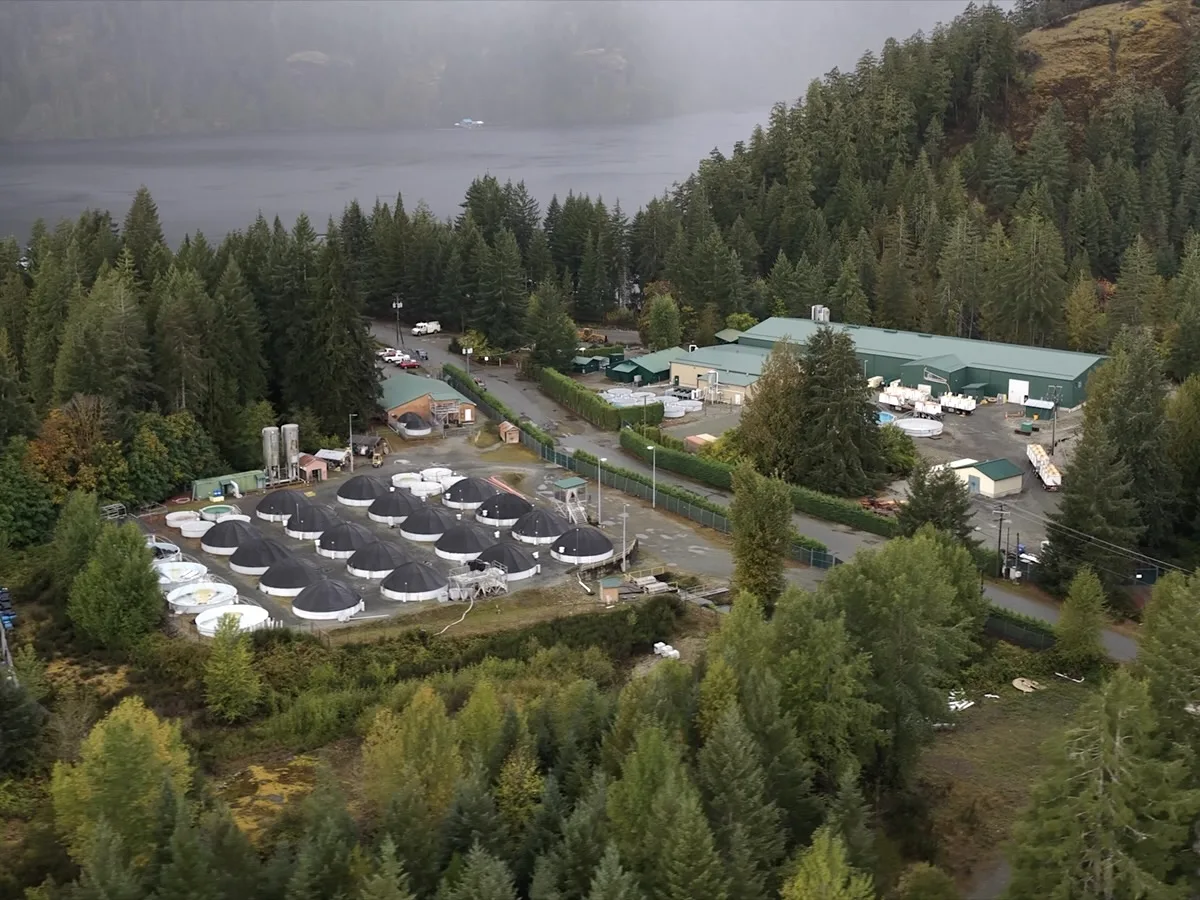
A long-standing dispute over the future of B.C. salmon farms ratcheted up Wednesday when Hupačasath First Nation served an eviction notice to a hatchery that supplies 14 farms in Clayoquot Sound.
In a news release shared with The Tyee, Hupačasath Hereditary Chief Alton Watts told salmon farming giant Cermaq that the company must immediately stop transferring Atlantic salmon smolts from its Boot Lagoon hatchery near Port Alberni and shutter operations by the end of this year.
“Cermaq does not have social licence to operate in Hupačasath territory,” Watts said. “They do not have our consent to rear invasive fish that threaten wild salmon stocks in our territory.”
Watts said Hupačasath First Nation has the sovereign right to cut off feedstock to operations “that have been scientifically proven to cause harm to our relatives, wild Pacific salmon.”
Watts told The Tyee that the wild salmon he catches in the Somass River and its tributaries, near Port Alberni, are showing signs of the diseases that plague farmed salmon. The wild fish feed near salmon farms in Clayoquot Sound before migrating up the Somass River, Watts said.
“They’re missing skin, so you can actually see their meat. Under their skin, they have some sort of parasite or sea lice... some of their mouths are diseased and have sores on them,” he said.
Watts said Cermaq, headquartered in Norway, has never asked for permission to operate its Atlantic salmon hatchery on Hupačasath territory. He said he hopes the company will phone and apologize for not getting permission, and then “vacate the area.”
Cermaq Canada did not respond to a phone message and email from The Tyee before press time.
The BC Salmon Farmers Association, which represents Cermaq and other salmon farming companies, said it wasn’t aware of the eviction notice and couldn’t comment.
The Boot Lagoon facility is one of four Atlantic salmon hatcheries Cermaq operates on Vancouver Island.
Watts said he’s also concerned that the Boot Lagoon hatchery, next to Great Central Lake, could leak “contaminants” into salmon-bearing waters. The lake, which drains into the Stamp River, a tributary of the Somass, is home to one of the last thriving salmon runs in Nuu-chah-nulth territories.
The Hupačasath co-manage a chinook salmon hatchery near Cermaq’s hatchery. If Atlantic salmon get loose or contaminants leak, “they’re directly going to be harming our wild stocks,” Watts said.
Most B.C. salmon farms raise Atlantic salmon — a species not native to the West Coast — in open-net pens in sheltered bays, where the tide flushes away waste.
Many farms lie along migration routes for Pacific salmon, and scientists have warned that sea lice and diseases from farmed fish are being transferred to wild juvenile salmon along migration routes.
5News aggregated this summary from the outlet’s public feed. The full article, with all the context, is on thetyee.ca — the content belongs to The Tyee.